
The Taipā and Ōruru Valley
The Taipā and Ōruru Valley
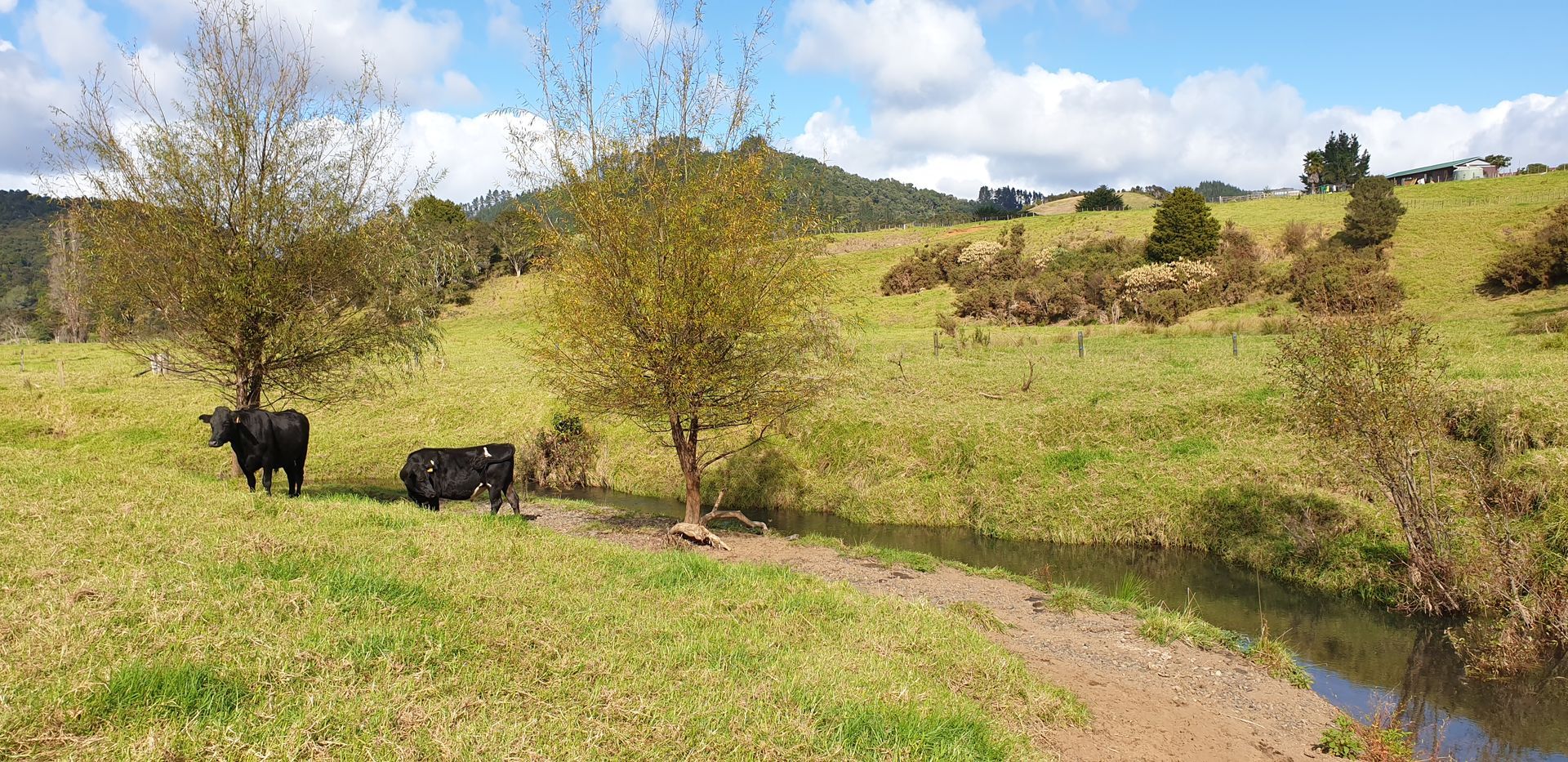
Heading inland remained the most popular of the places. In comparison only a few Māori live there today. Hikurangi became the main Ngāti Kahu pā and is located at Taipā on what became the Adamson’s farm.
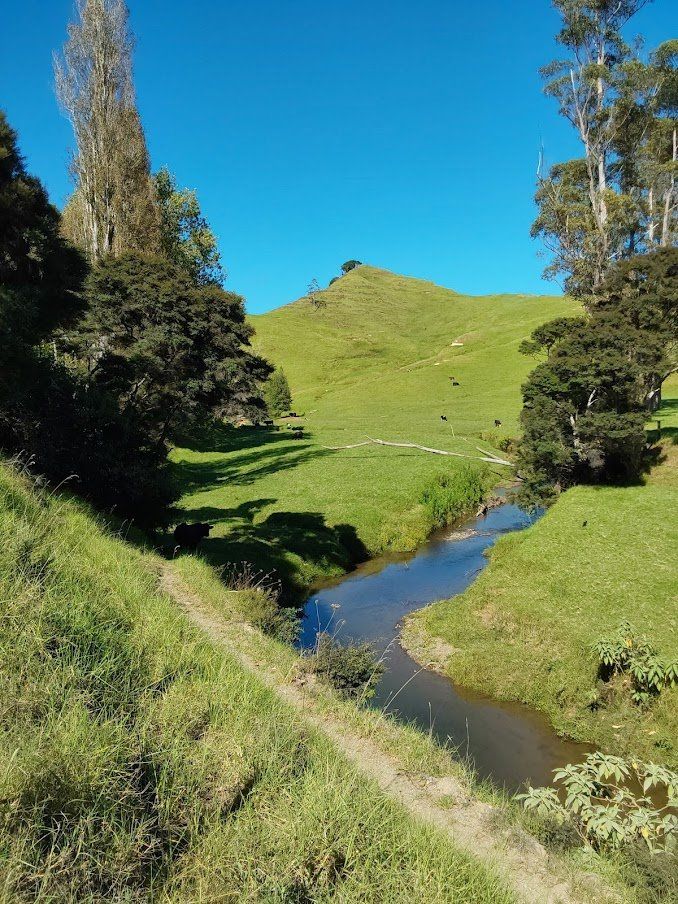
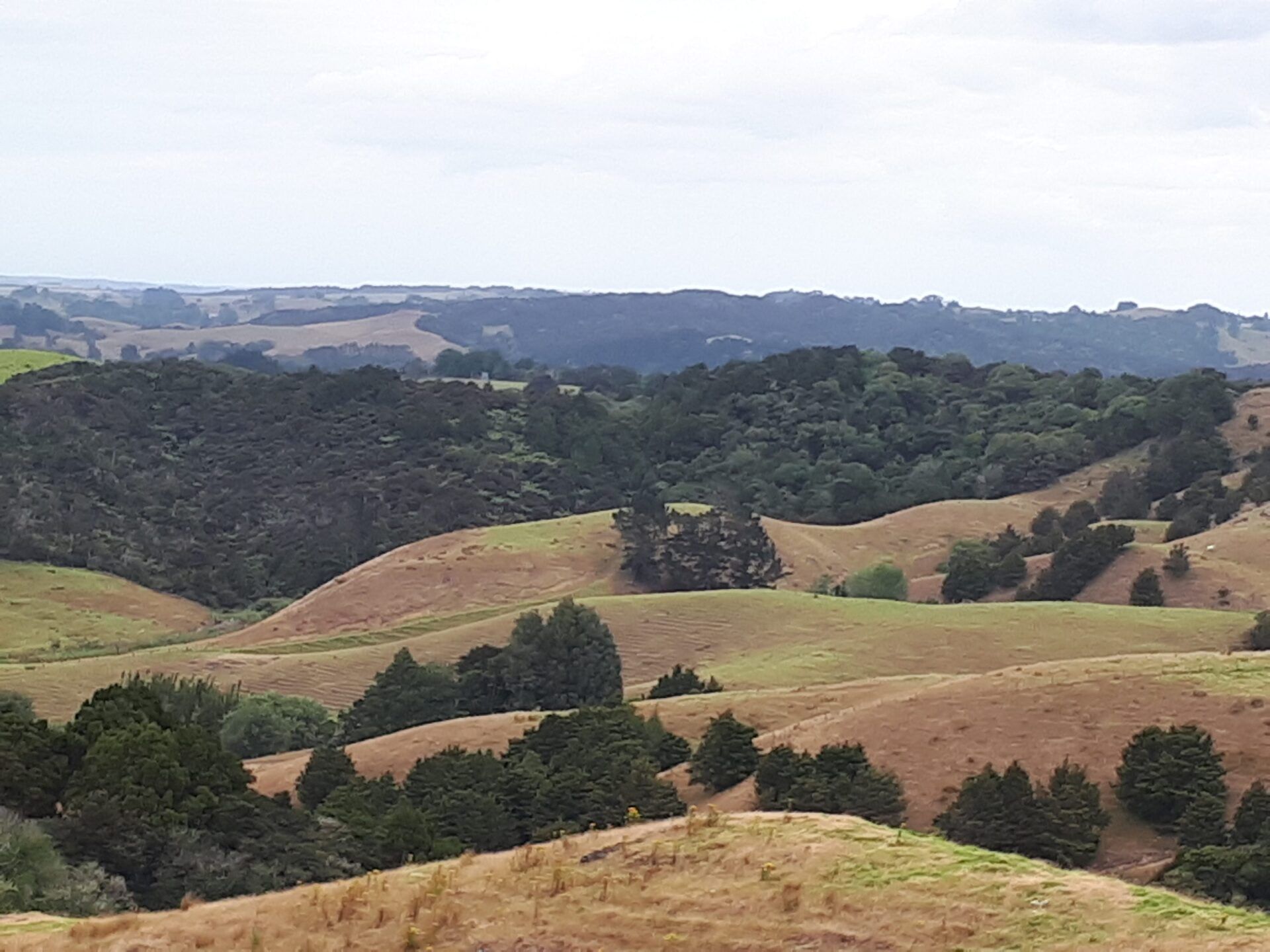
Most of the people however, had spread up the Ōruru Valley, where the river provided an easy pathway to the sea, extending as far as the fertile Pēria Valley and where Kauhanga pā was maintained. Dr Susan Bulmer, regional archaeologist for the New Zealand Historic Places Trust, provided the following description of the Ōruru Valley in the Waitangi Tribunal Mangonui Sewerage Report:
“The Ōruru was an extraordinary Valley, one of the longest in Northland (22km) and it had excellent garden land. It possibly supported one of the densest concentrations of population in the country; a late 18th century map recorded a fighting force of 2,000 men, suggesting there may have been around 8,000 people in the Ōruru Valley at that time.”
This population was gone by the early 19th century and Leigh Johnson concluded from his studies that this was likely to have been a consequence of a devastating epidemic of disease about 1794.
There were 57 pā along the ridges of Ōruru Valley, and each had many associated pit and terrace sites of undefended settlement. Altogether this adds up to one of the most spectacular archaeological landscapes in the country.
The area was so densely settled that news and messages could be shouted from Taipā to Kauhanga, from one pā to the next.”
The return of a very special taonga
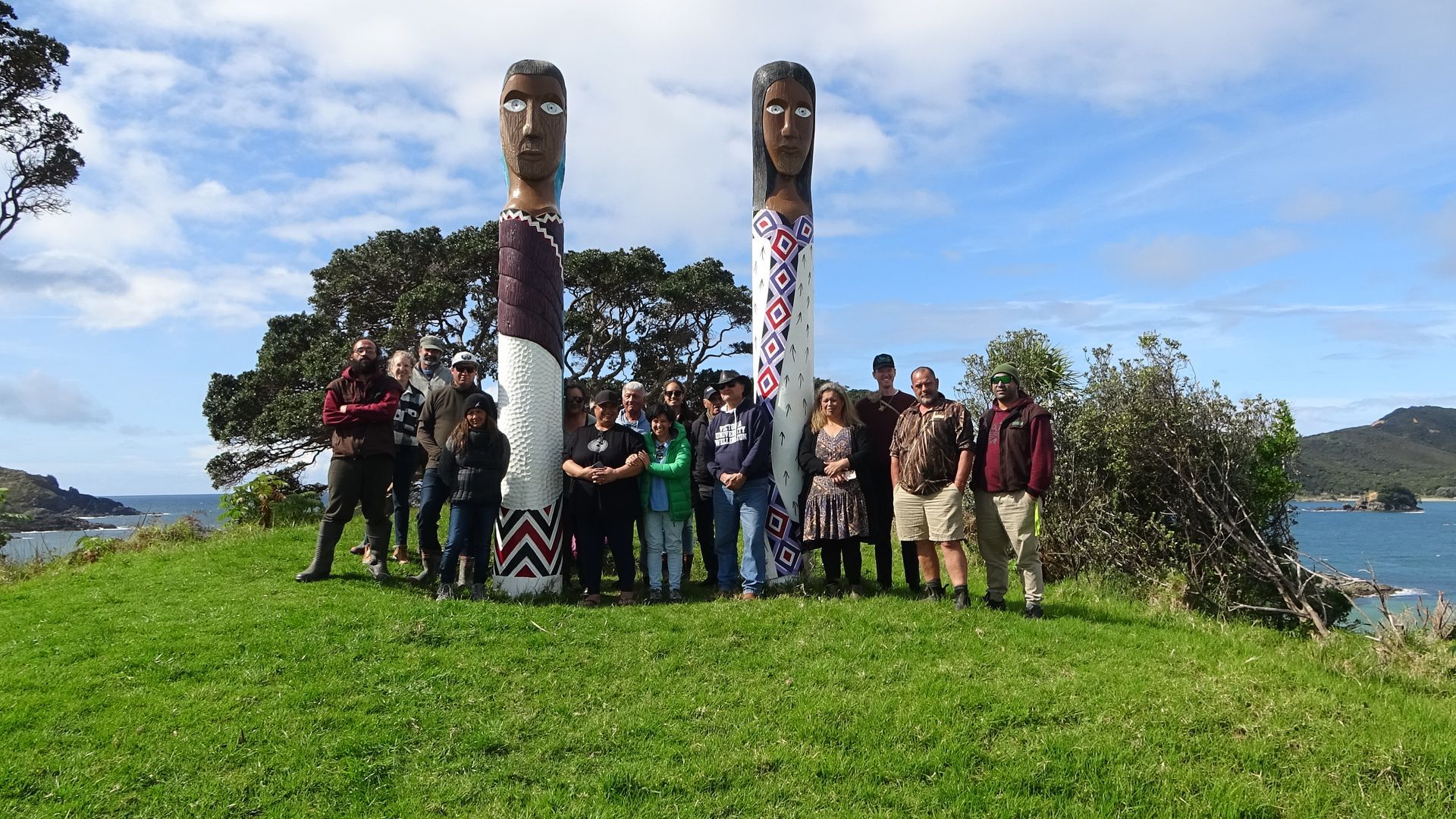
This taonga is a tōtara whakairo (wooden carving in stylised human form), a rare example of early Northland carving. It was discovered on 5 January 2019 in a deep drain on the Ōruru River floodplain, downstream from an old pā site.
The finder, Doug Milne, reported it to the Ministry for Culture and Heritage, which then transferred it to the University of Auckland Conservation Lab for care and protection. From there, the Ministry followed the legal process set out under the Protected Objects Act 1975. Public notices were issued,
interested parties were contacted, and claims of ownership were invited. Te Paatu ki Kauhanga hapū lodged a claim on 9 May 2019, noting the taonga was found within the Ōruru Valley, an area where our hapū holds mana whenua. No other claims were received.
The Ministry accepted Te Paatu’s claim as valid, and in late 2023 the Māori Land Court confirmed that traditional ownership of the taonga rests with Te Paatu ki Kauhanga. The Court has vested the taonga in Te Paatu ki Kauhanga Trust Board to ensure it is cared for and preserved for future generations.
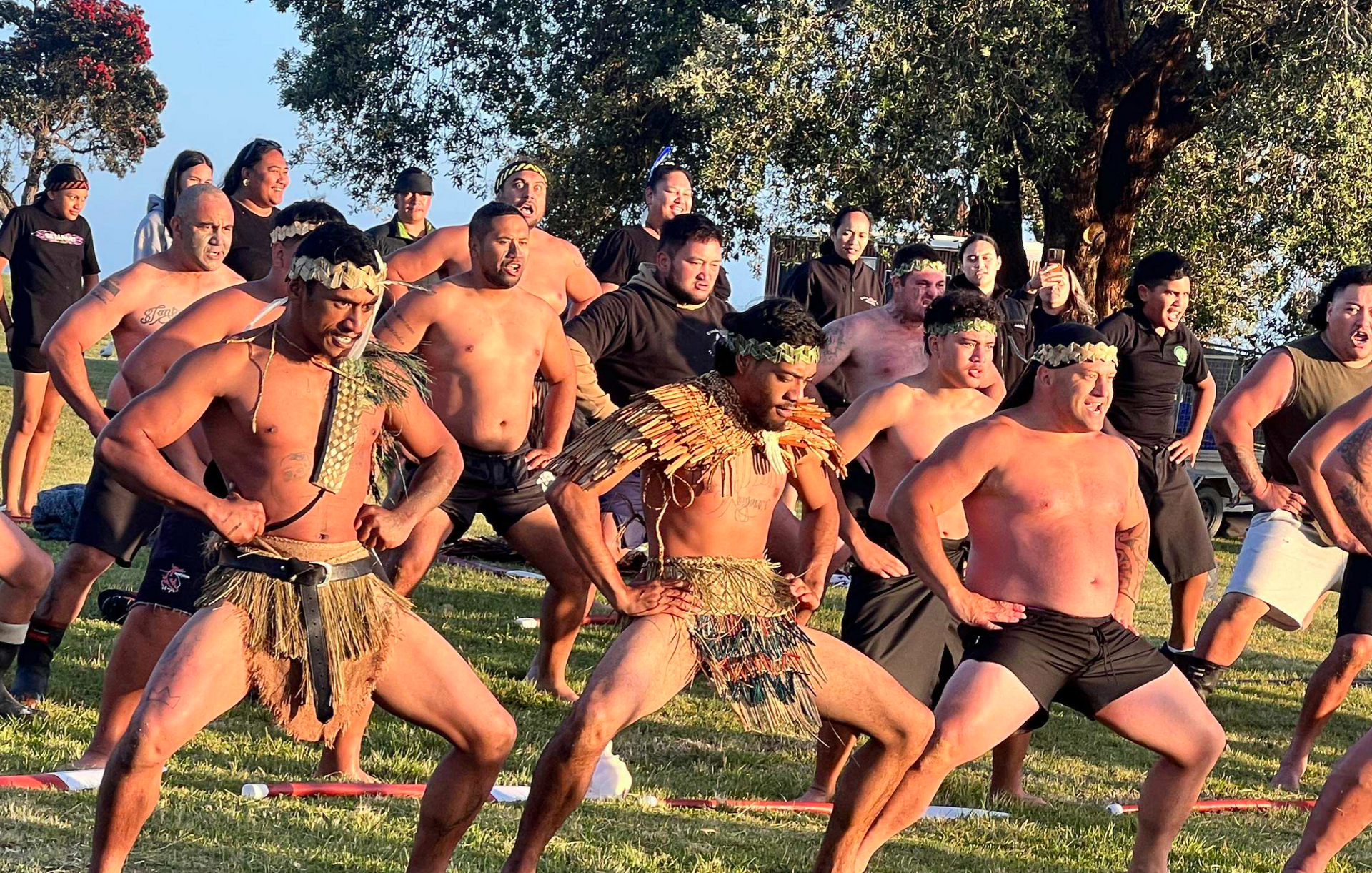
To mark this important occasion, a pōwhiri was held at Kauhanga Marae, Peria, on Thursday 16 October 2025. Following the pōwhiri, the taonga was repatriated to Te Ahu Museum in Kaitaia for safekeeping, while remaining under the guardianship of Te Paatu ki Kauhanga.
Te Paatu ki Kauhanga Trust is a registered collector of taonga tūturu under the Protected Objects Act 1975. The return of the taonga is a significant event for our hapū as we exercise kaitiakitanga and reaffirm the enduring connection between our taonga, our tūpuna and history.