
Environment
Our Projects
Te Paatu Ki Kauhanga Trust has managed and made contribution to many enviromental projects.

Mangamuka Gorge Predator Control Programme
Te Paatu Ki Kauhanga Trust Mangamuka Scenic Reserve Predator Control seeks to reduce the impacts of introduced predators to protect and restore...
Maungamuka Gorge Resilience Project
Mangamuka Gorge Resilience is an ongoing Far North infrastructure and environmental project focused on stabilising the Mangamuka Gorge corridor after...
Nga Wahi Rongonui - Oruru Valley Project
Worthy of protection the Oruru Valley is one of the most significant sites in New Zealand. In the 1800’s it is estimated that the population was approximately...
Te Rangaimaomao - Nga Awa Rivers
The Doubtless Bay Ngā Awa Rivers Project focuses on restoring the health and mauri of key river catchments that flow into Doubtless Bay...
Peria River Project - Te Mana o Te Wai
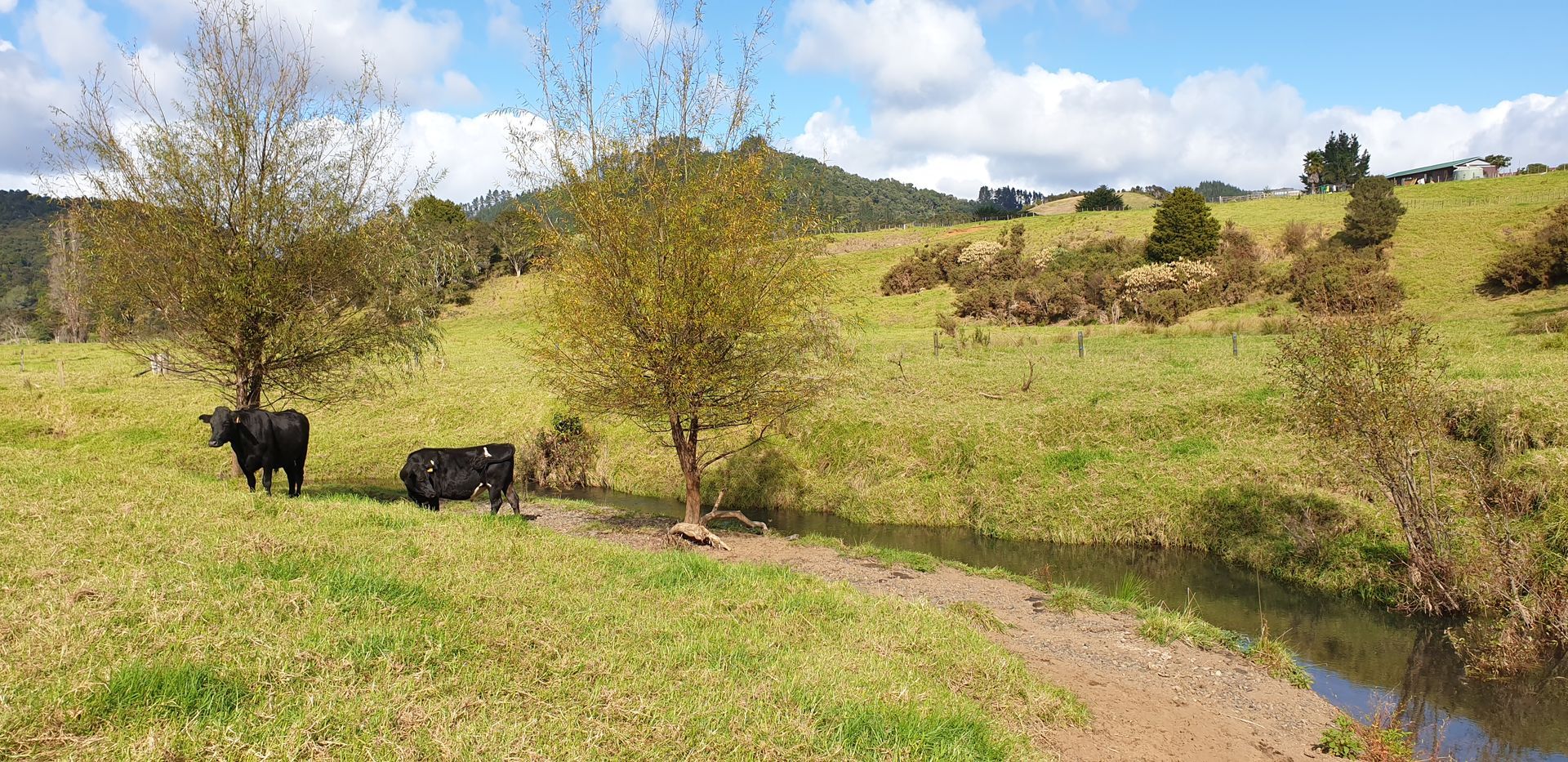
The Peria River, Waikainga, Te Awapuka Streams and numerous smaller streams all drain from the steep hill country of Maungataniwha, converge just downstream towards the Oruru River. The Oruru River originates from the Otangaroa Forest and flows northwards for another seven to eight kilometres before reaching the tide, joining with the Paranui River and becoming the Taipā River.
An important historical feature of the Oruru Valley is our hapū awa - the Oruru River. The Oruru River was once a waterway used by our ancestors to travel and transport trade produce up and down the Oruru Valley. In the early 1800's the Oruru River was used to transport kauri trees from the Oruru Valley. In those days there was significant scope for trading based on the the large population of the area and a vast source of produce available. People were coming and going on a regular basis.
The Oruru River is also the main water source within the Oruru Valley and hapū and whānau of Te Paatu ki Kauhanga. The flow of the Oruru River begins from Maungataniwha and moves eastward to 'te wahapū o Taipā' and further to Tokerau moana. It is the mauri of our whenua, the life essence for our tribe, fish, tun, trees, gardens, birds, animals and insects.
Resource Management Act 1991
The purpose of the Act is to promote the sustainable management of natural and physical resources. This means managing the use, development and protection of natural and physical resources in a way, or at a rate, which enables people and communities to provide for their social, economic, and cultural wellbeing and for their health and safety while sustaining the potential natural and physical resources (excluding minerals) to meet the reasonably foreseeable needs of future generations.
Participation in the resource consenting process is enabled through the Resource Management Act 1991, Regional Plans and National Policy Statements. It is anticipated that all resource consents within Te Paatu ki Kauhanga customary area of interest will be received from Councils to ensure applicants undertake statutory obligations to protect cultural landscapes and sites of significance.
The Resource Management Act 1991 is currently under review and will be replaced by three pieces of legislation including the:
- Natural and Built Environments Act.
- Strategic Planning Act.
- Climate Adaption Act.
Te Paatu ki Kauhanga RMA Planning Documents
The purpose of this planning document is to provide clear policies and protocols when engaging with consent applicants and Te Paatu ki Kauhanga Trust Board under the Resource Management Act 1991 and other relevant legislation or policy outlined in this document. The aim is to build relationships to undertake a collaborative approach between Councils, consent applicants and Te Paatu ki Kauhanga to protect cultural sites of significance, taonga tūturu and waahi tapu. This planning document has been developed to ensure:
- the protection of lands, waters and other taonga, natural and physical environment, kōiwi and artefacts.
- the cultural monitoring and the management of accidental discoveries.
- the appropriate cultural approach in engagement;
- the appropriate cultural approach in cultural monitoring; and
- that obligations are met under article 2 of Te Tiriti o Waitangi 1840, Resource Management Act 1991, Local Government Act 2002, Heritage New Zealand Pouhere Taonga Act 2014 and other relevant legislation.
Te Paatu ki Kauhanga Trust Board has developed a planning document to support engagement with consent applicants, developers, planners and Councils.