
Taipa Bridge
Taipa Bridge Project
The Taipā bridge project was a collaboration of key stakeholders including New Zealand Transport Agency, Northland Regional Council, Far North District Council and representatives of the Ngāti Kahu Hapu Working Groups of Matakairiri, Matarahurahu, Ngāti Tara, Ngāti Moroki/Ngai Takiora, Ngāti Urunga, Ngāti Tara, Ngāti Whata, Te Paatu ki Kauhanga and Te Paatu Teretere.
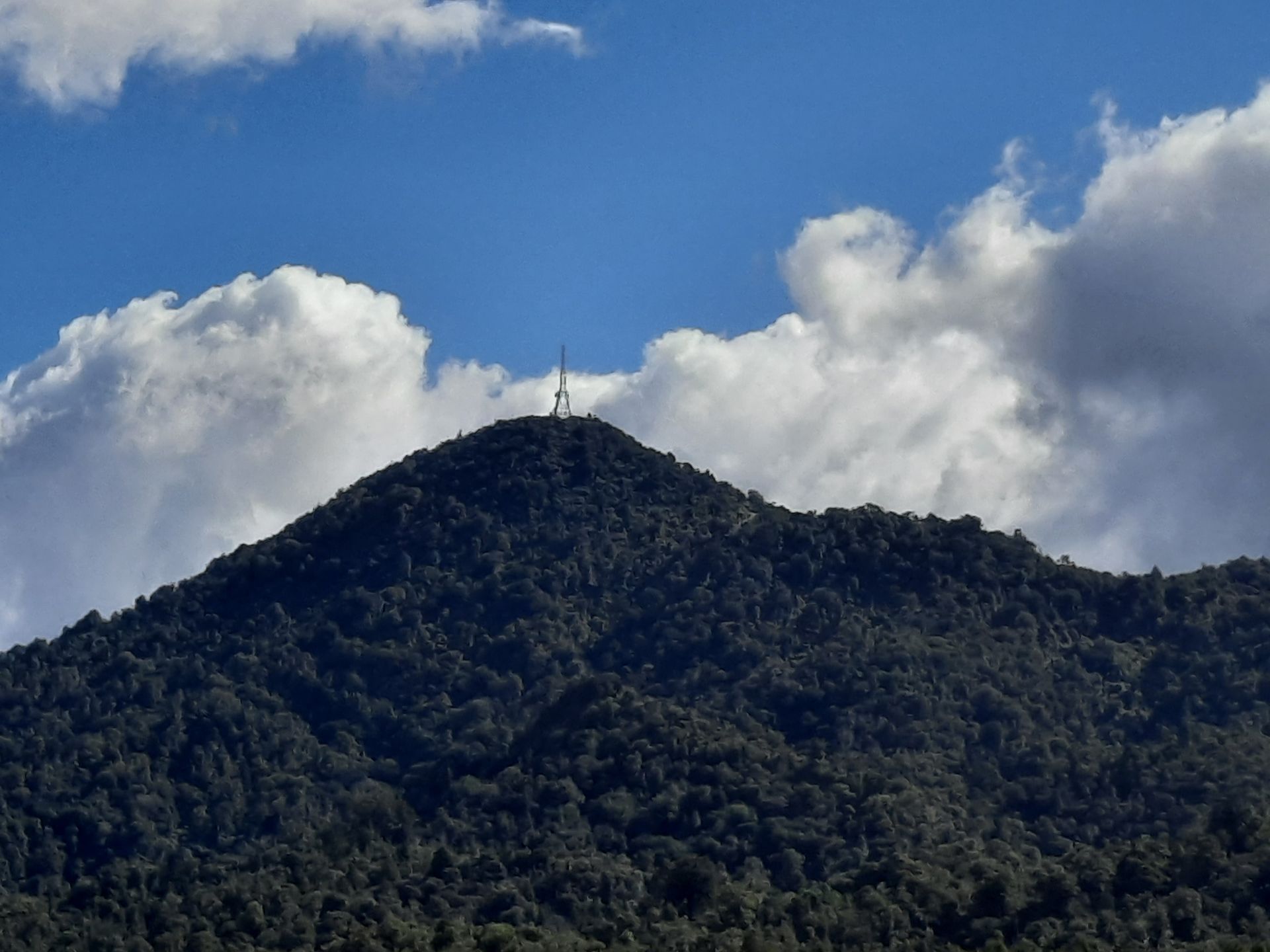
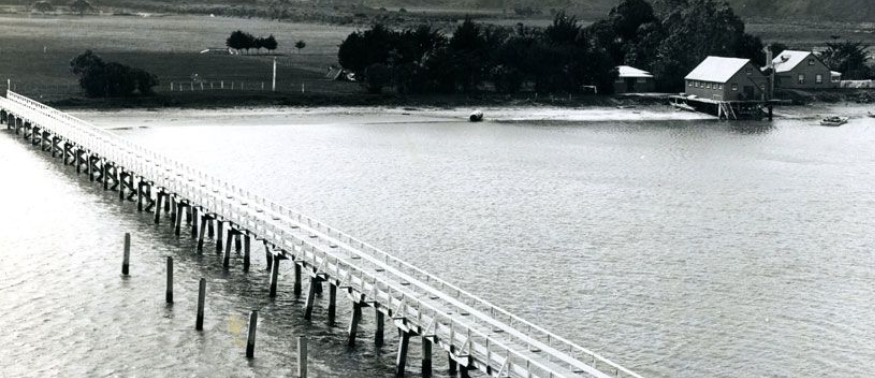
Located on the southern shore of Doubtless Bay at the mouth of Ika‑tiri‑tiri/Ika‑tere‑tere, Taipā is recognised as the first landing place of Kupe and forms an important part of Northland’s main tourist connection, the Twin Coast Discovery Route. Because of its cultural significance and its role in the regional economy, the Taipa Bridge project was a major Far North infrastructure upgrade that replaced the old one‑lane bridge with a modern two‑lane structure to improve safety, reduce congestion, and support growing community and tourism needs across Doubtless Bay and the Far North.
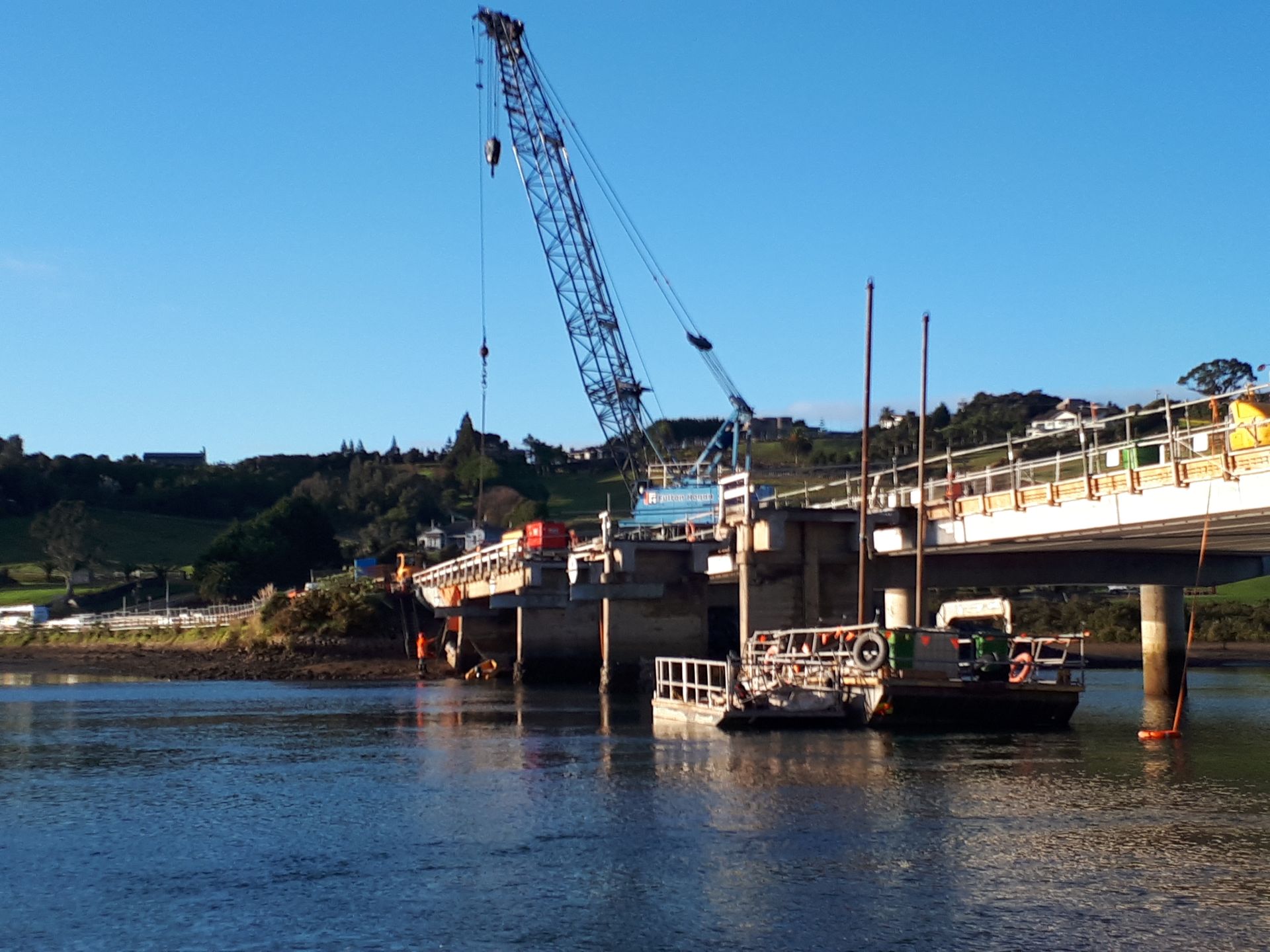
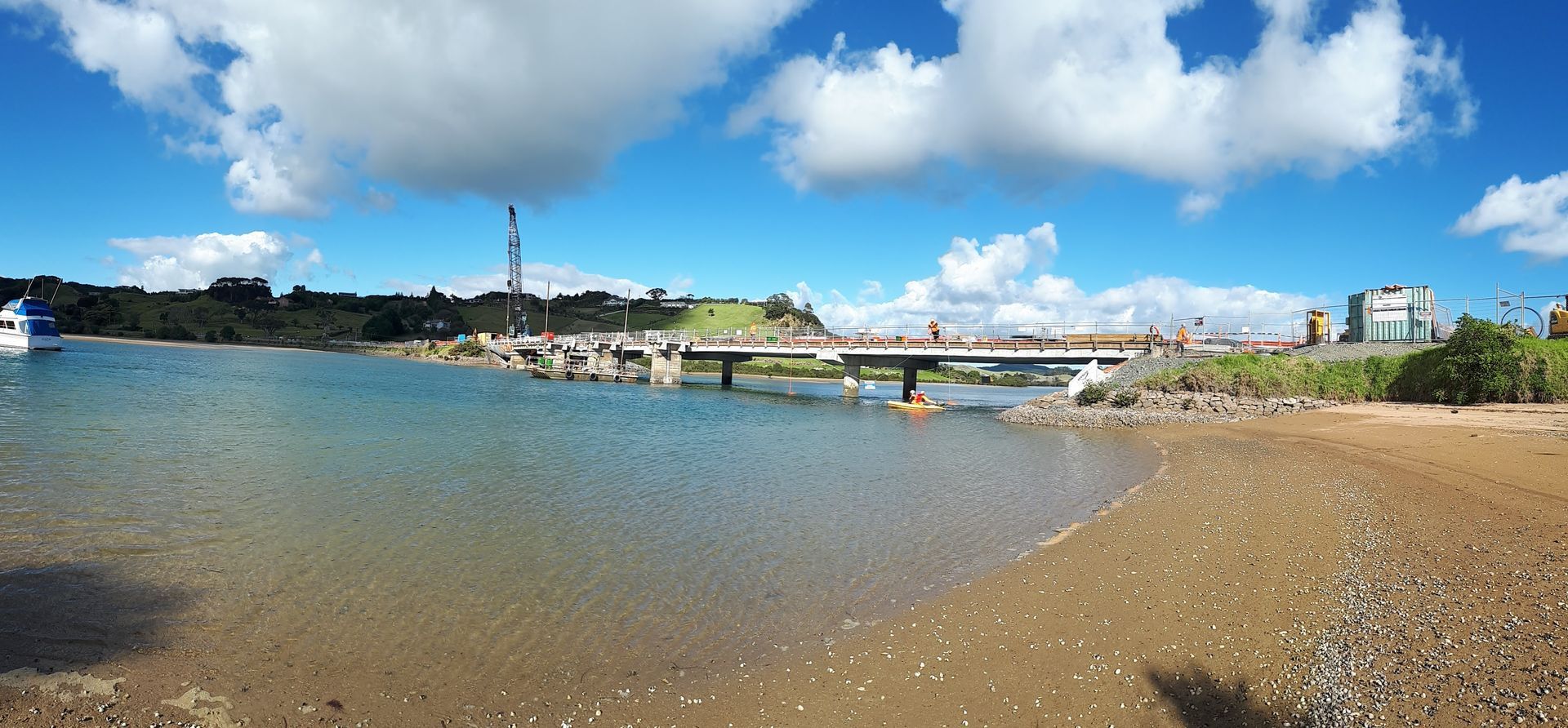
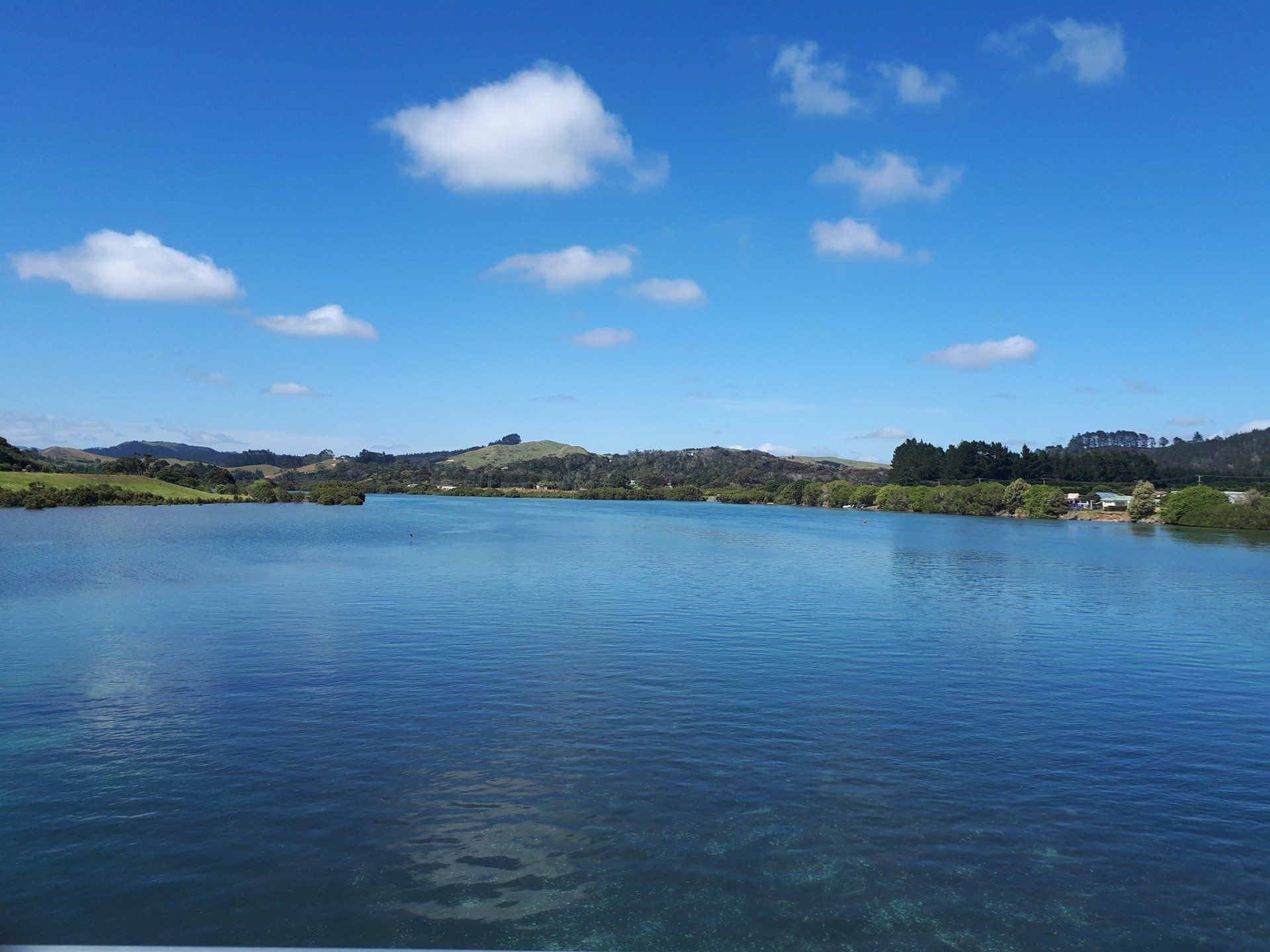
The upgrade strengthened flood resilience, improved pedestrian access, and created safer transport connections for locals travelling between Taipa, Mangonui, and surrounding communities. The Taipa Bridge Opening celebrated the completion of this work and marked a long‑term investment in Northland’s connectivity and economic future.
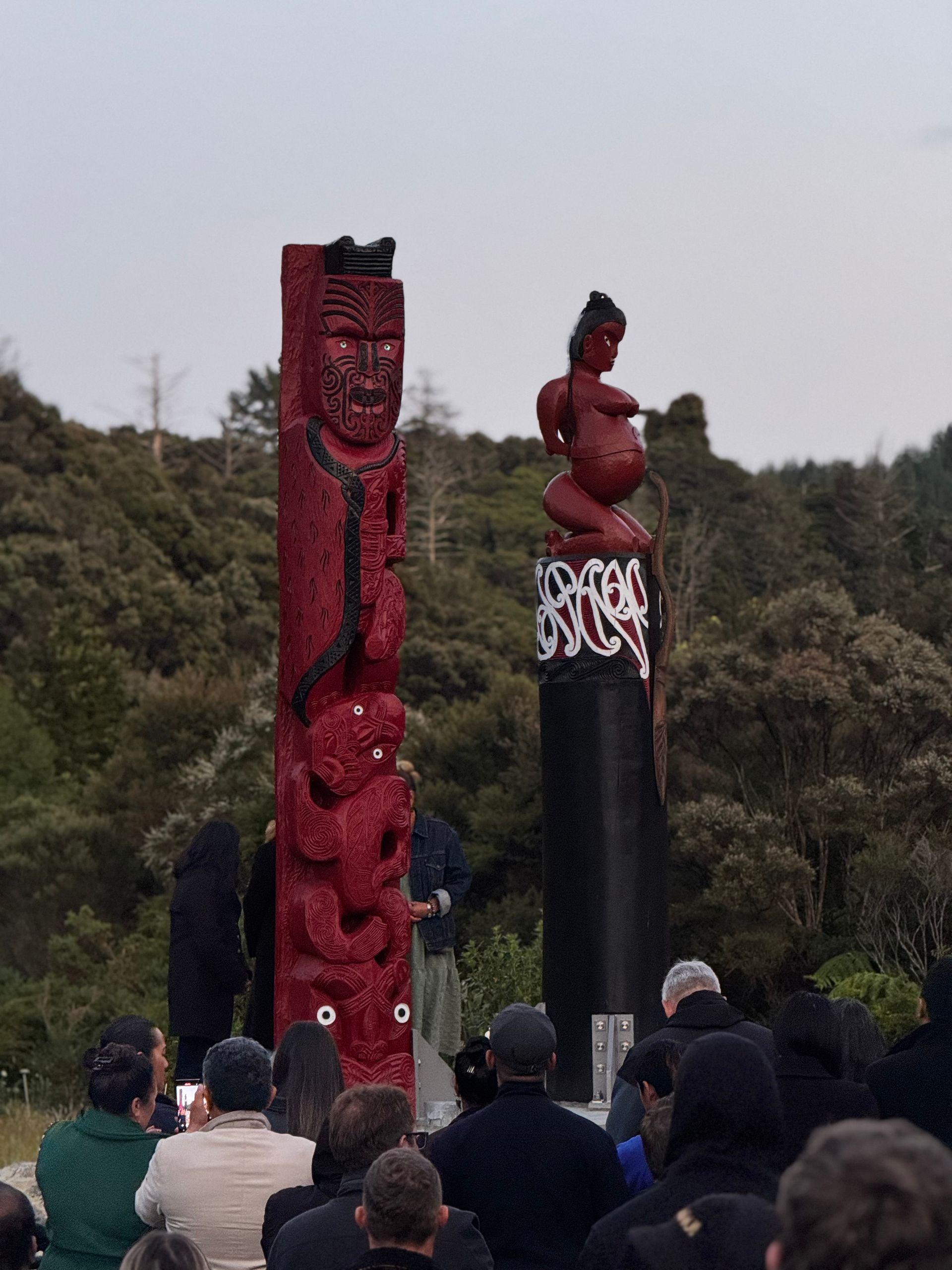
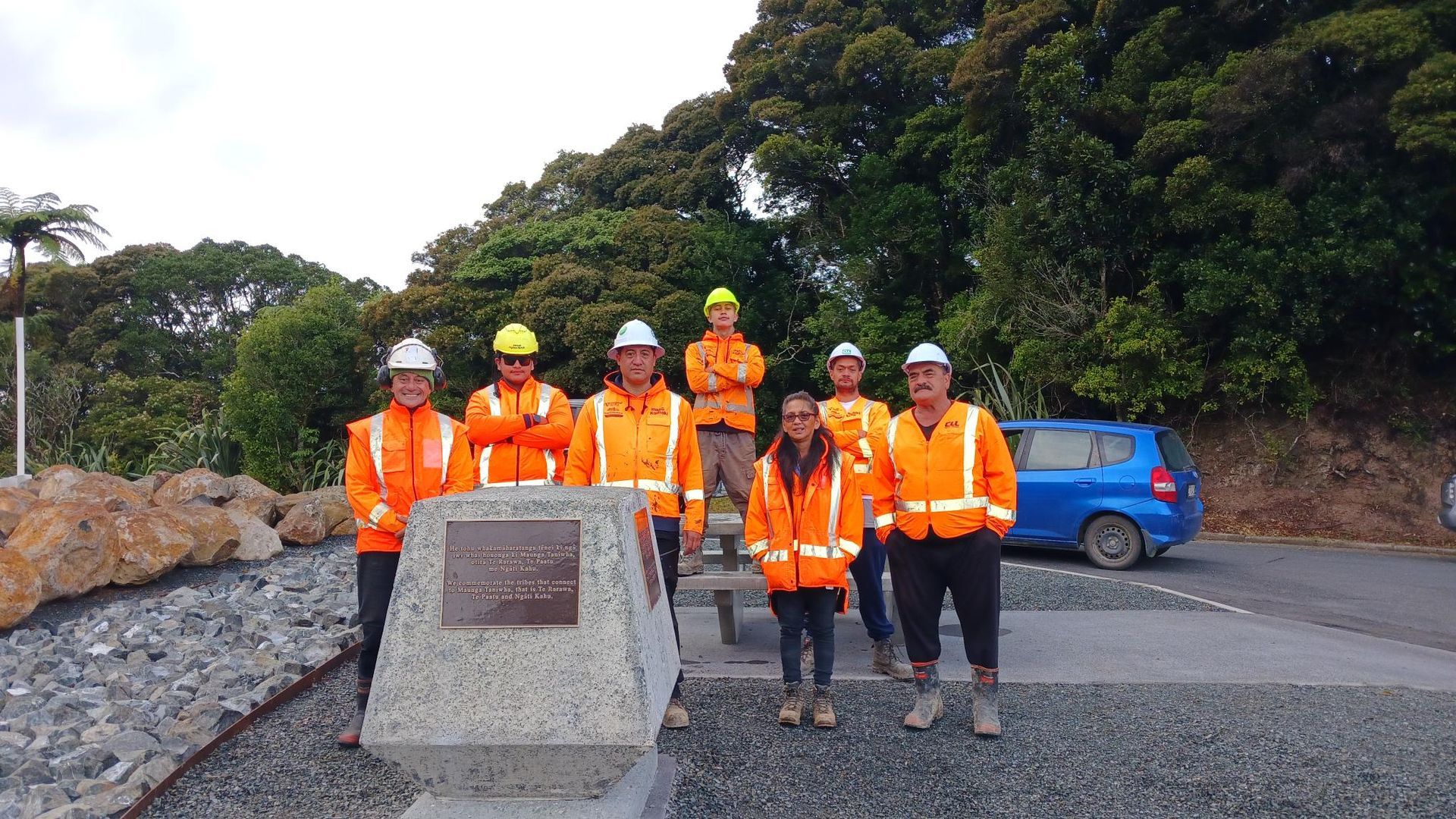
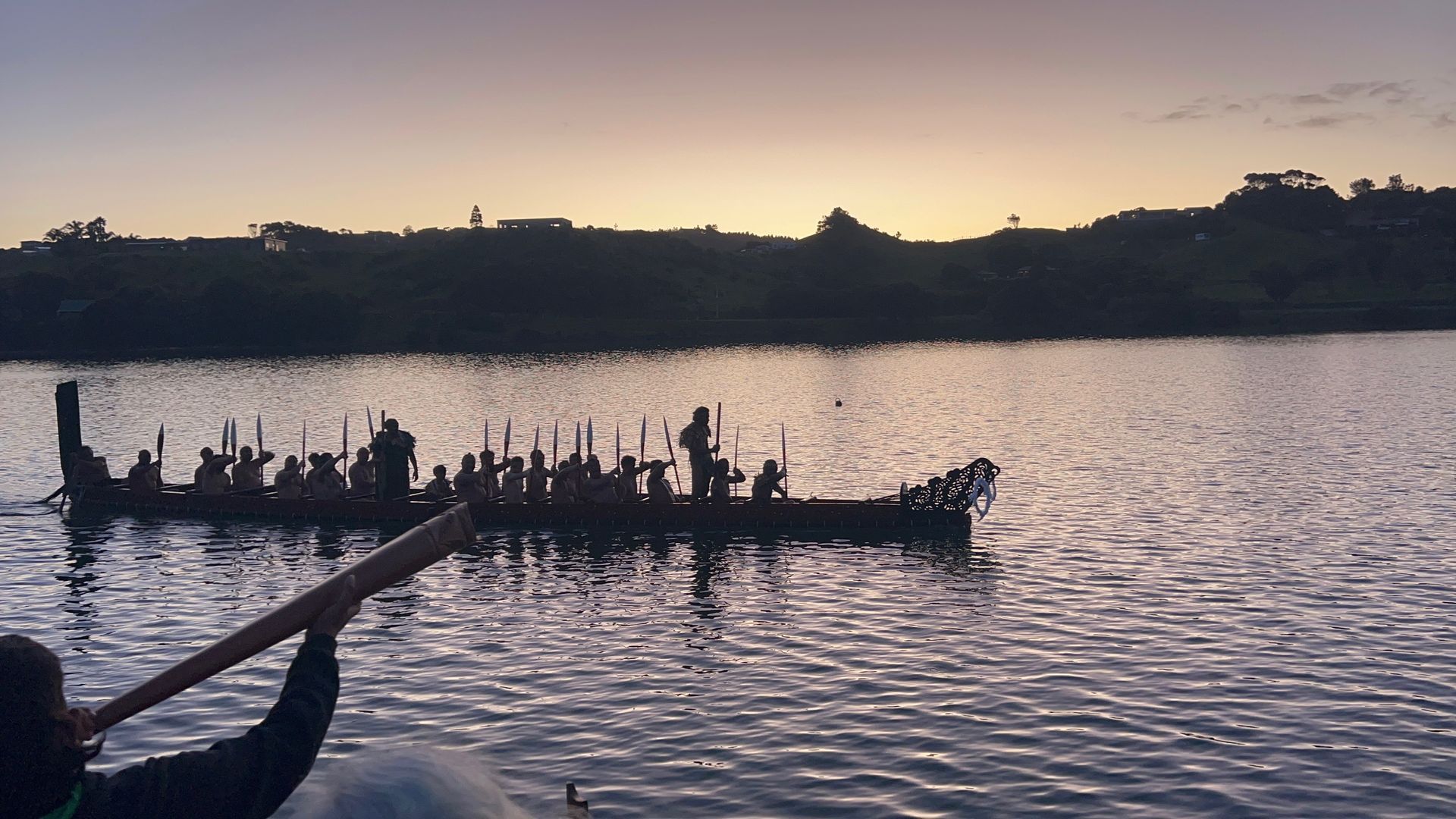
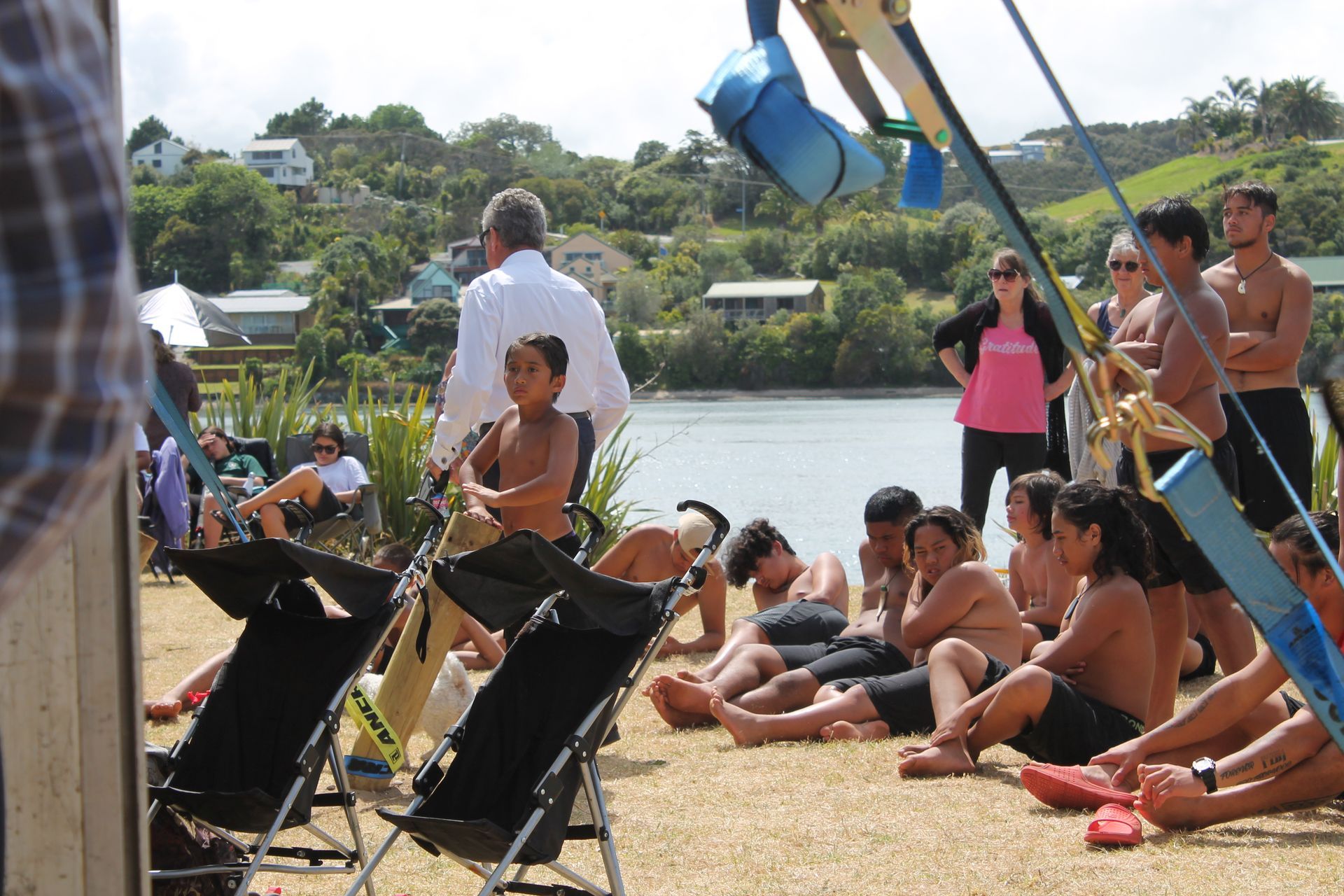
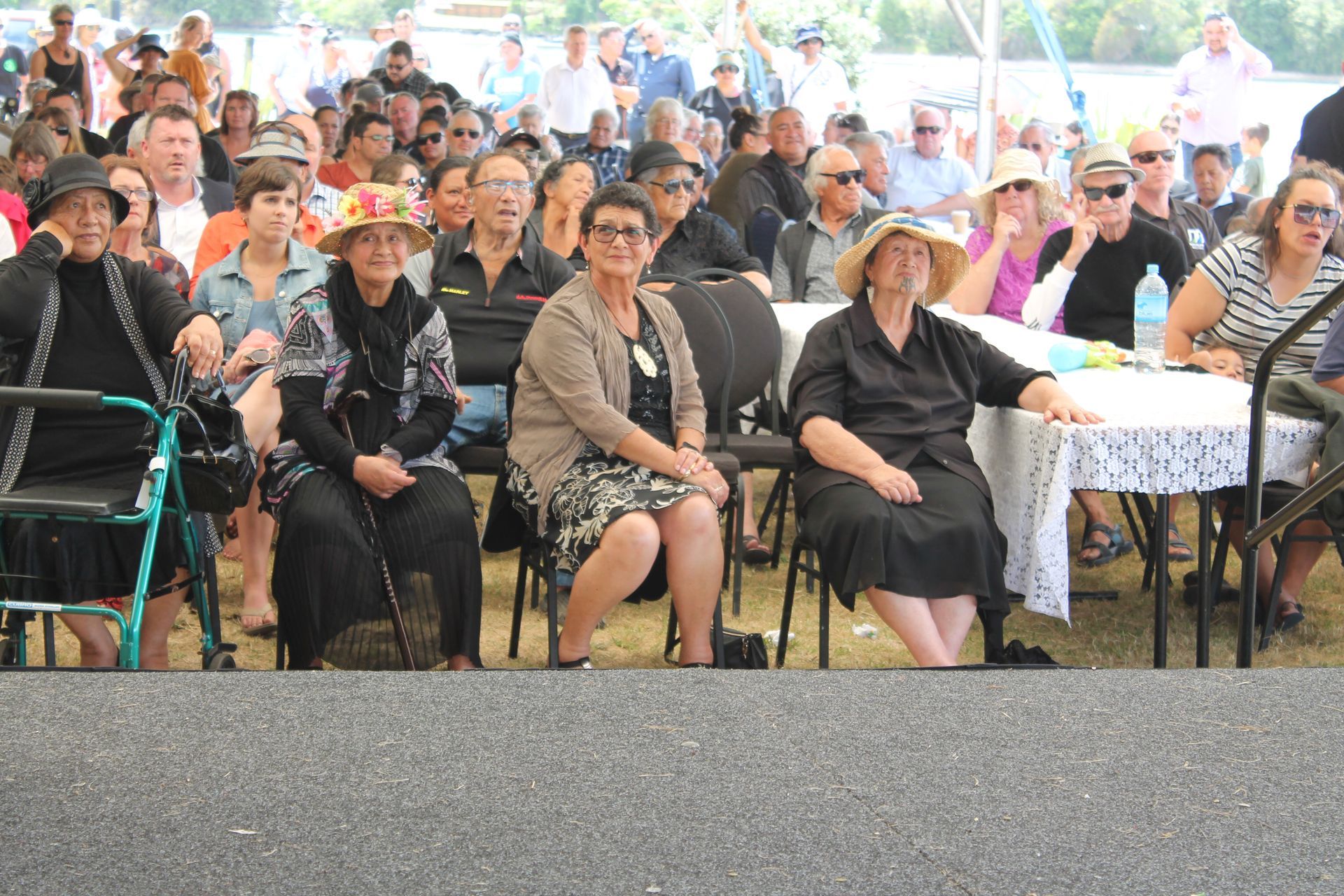
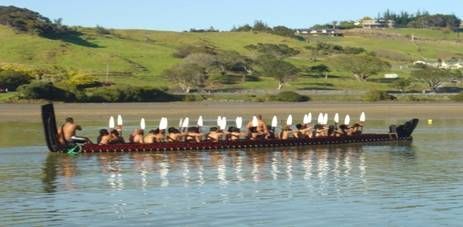
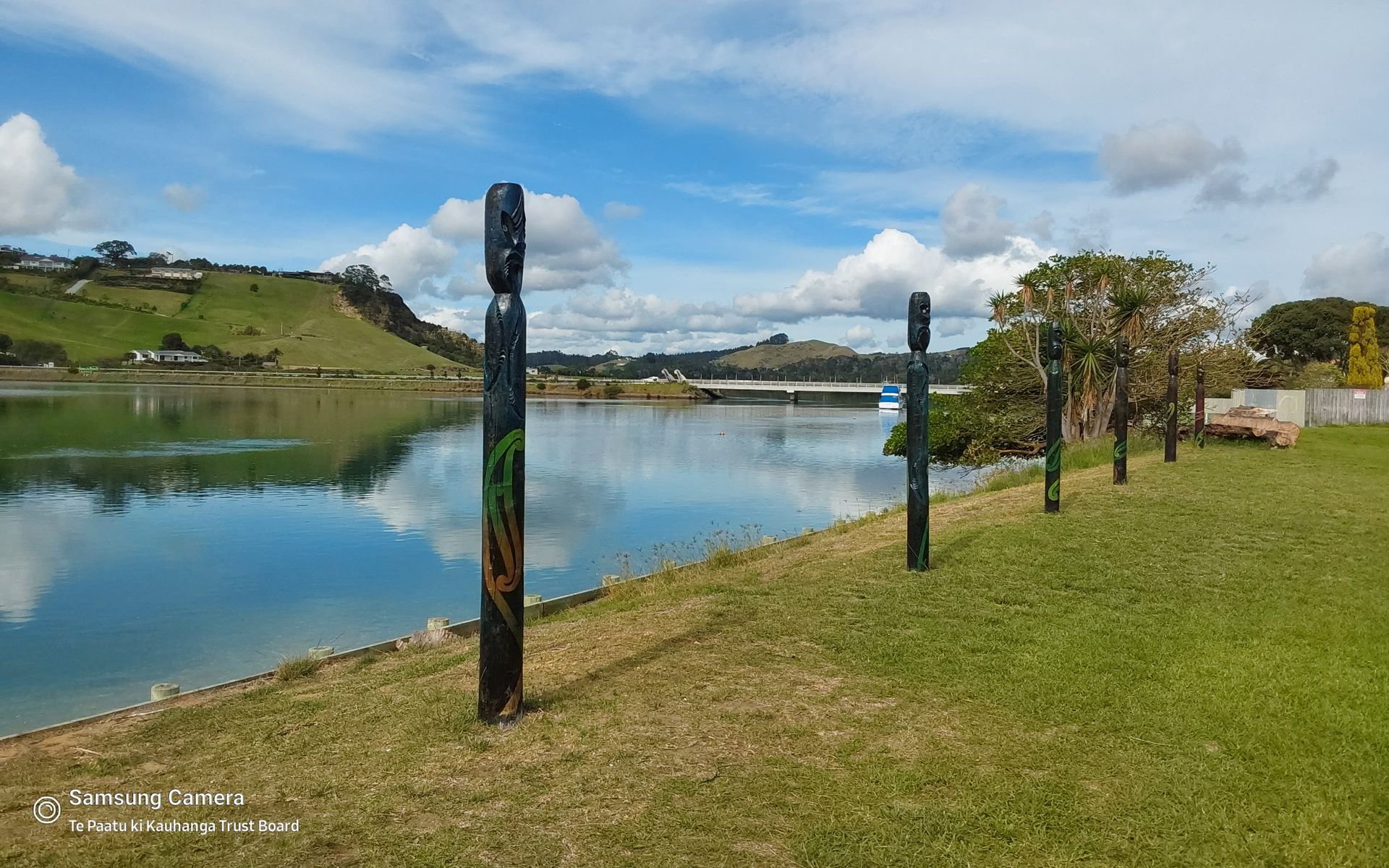
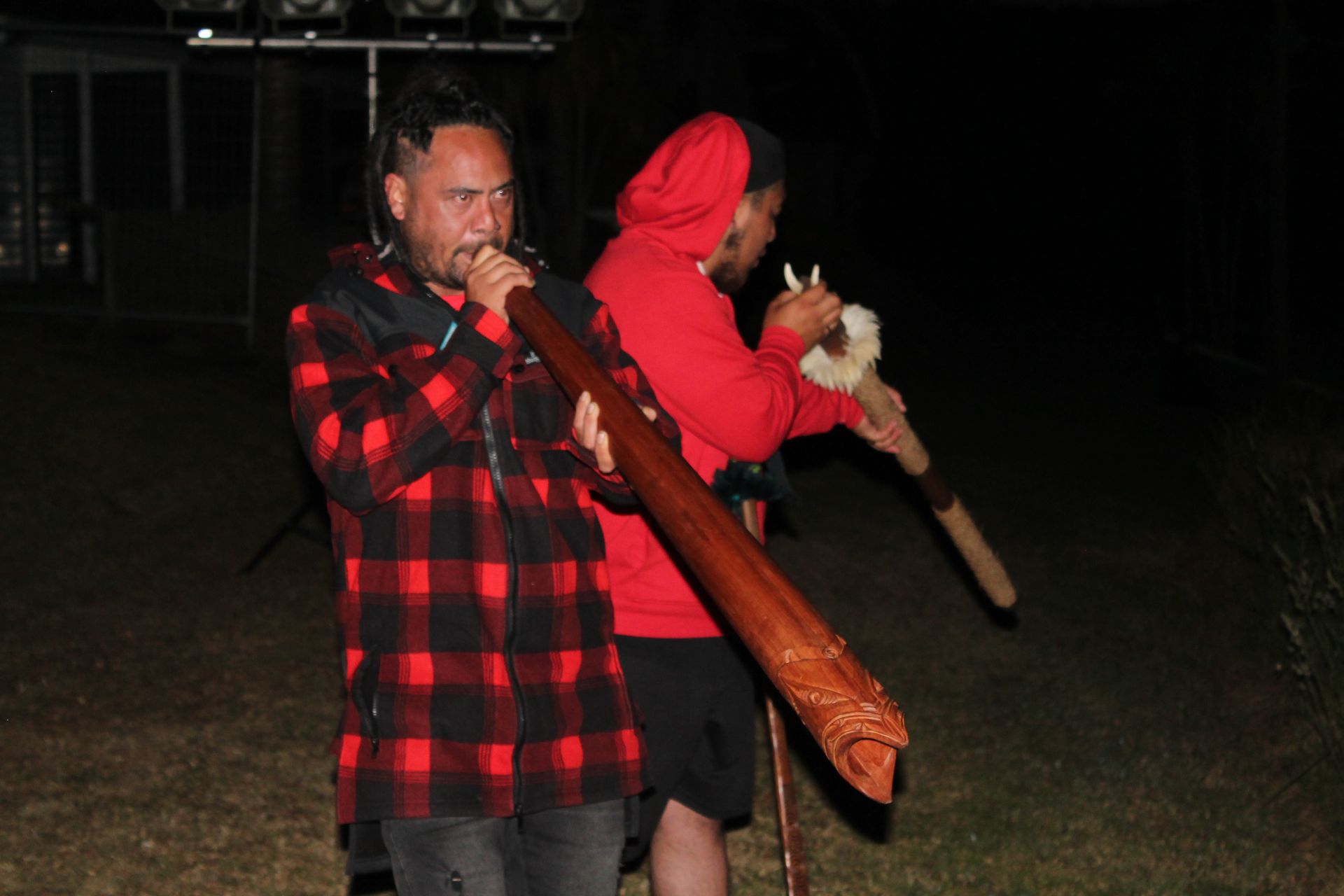
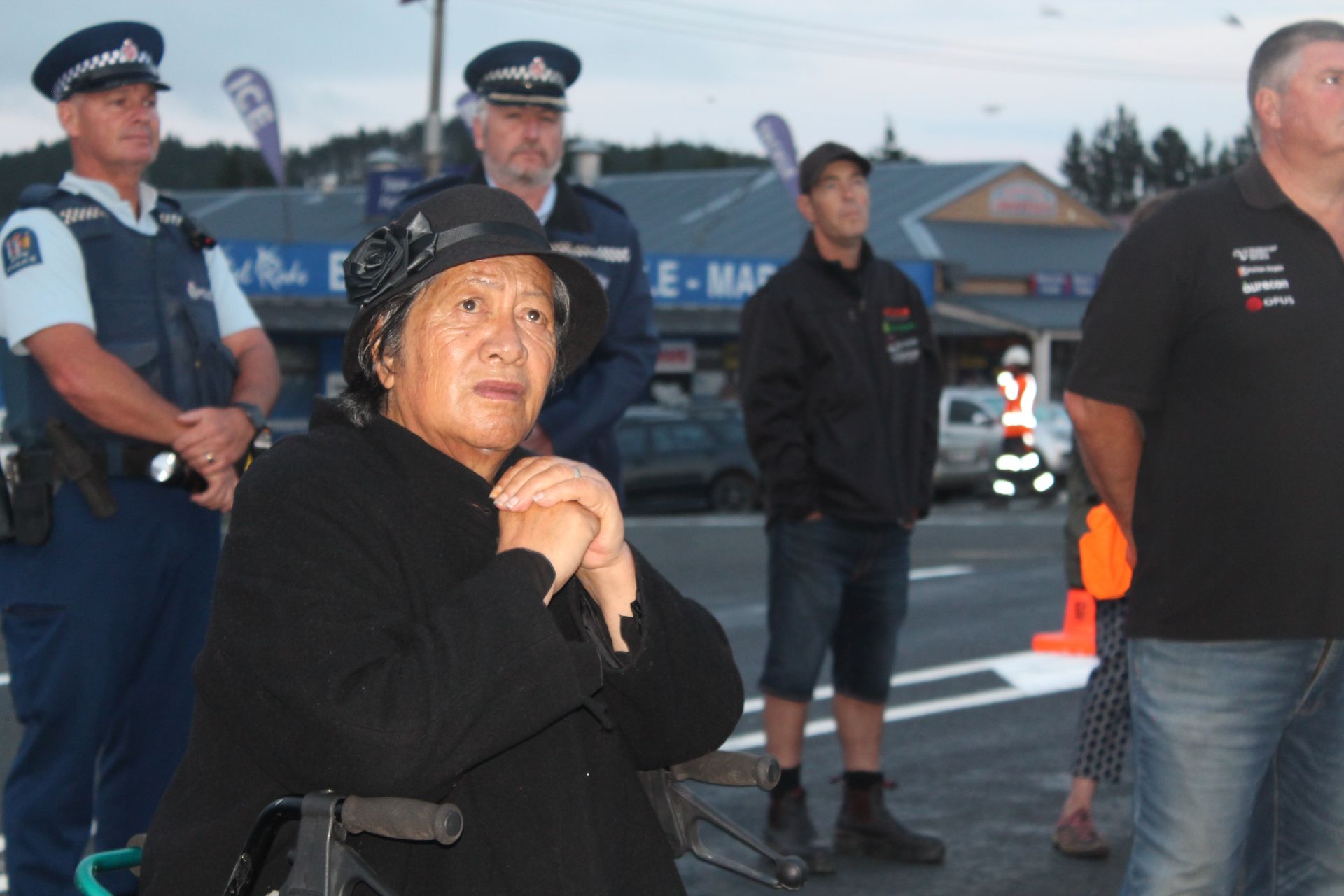
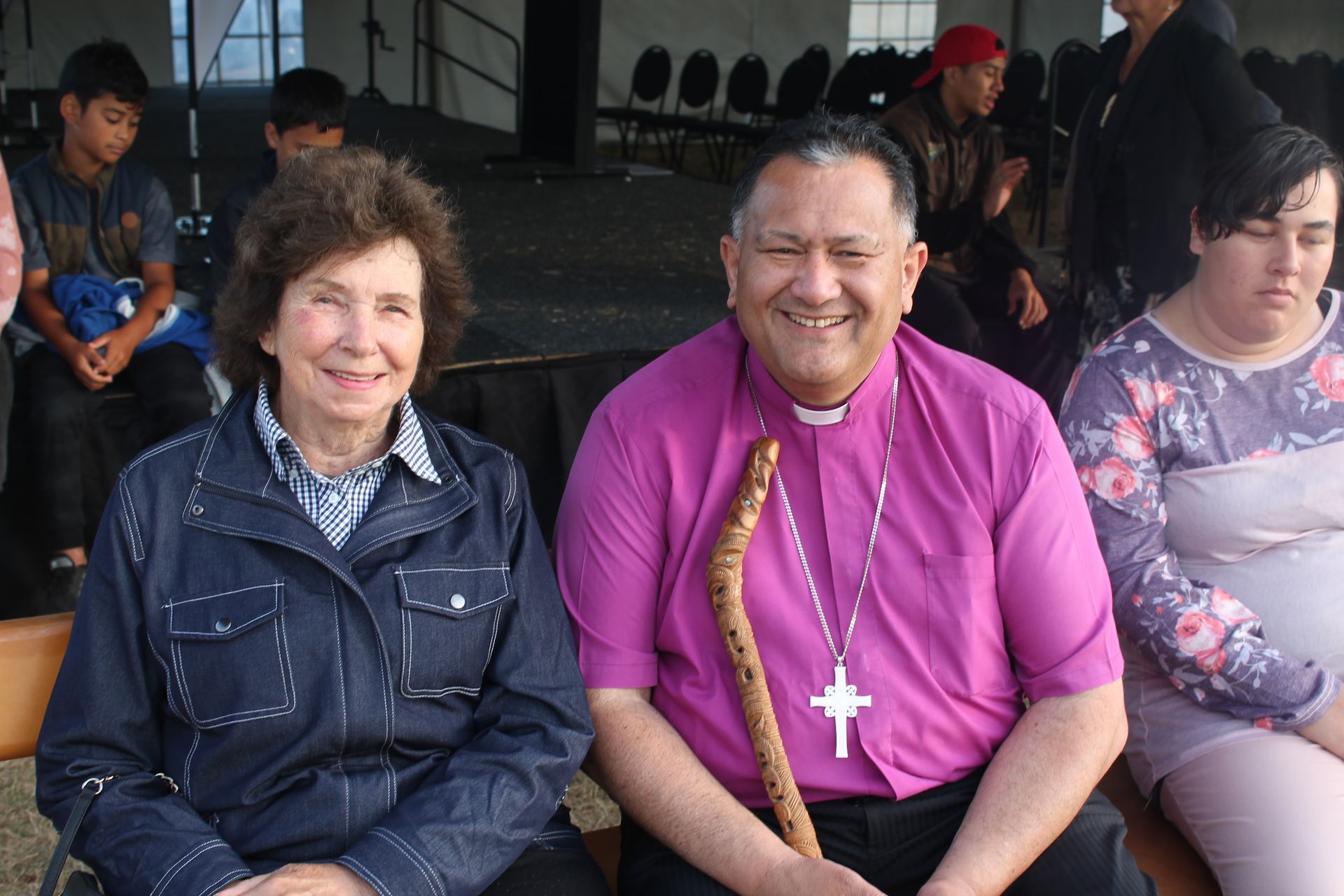
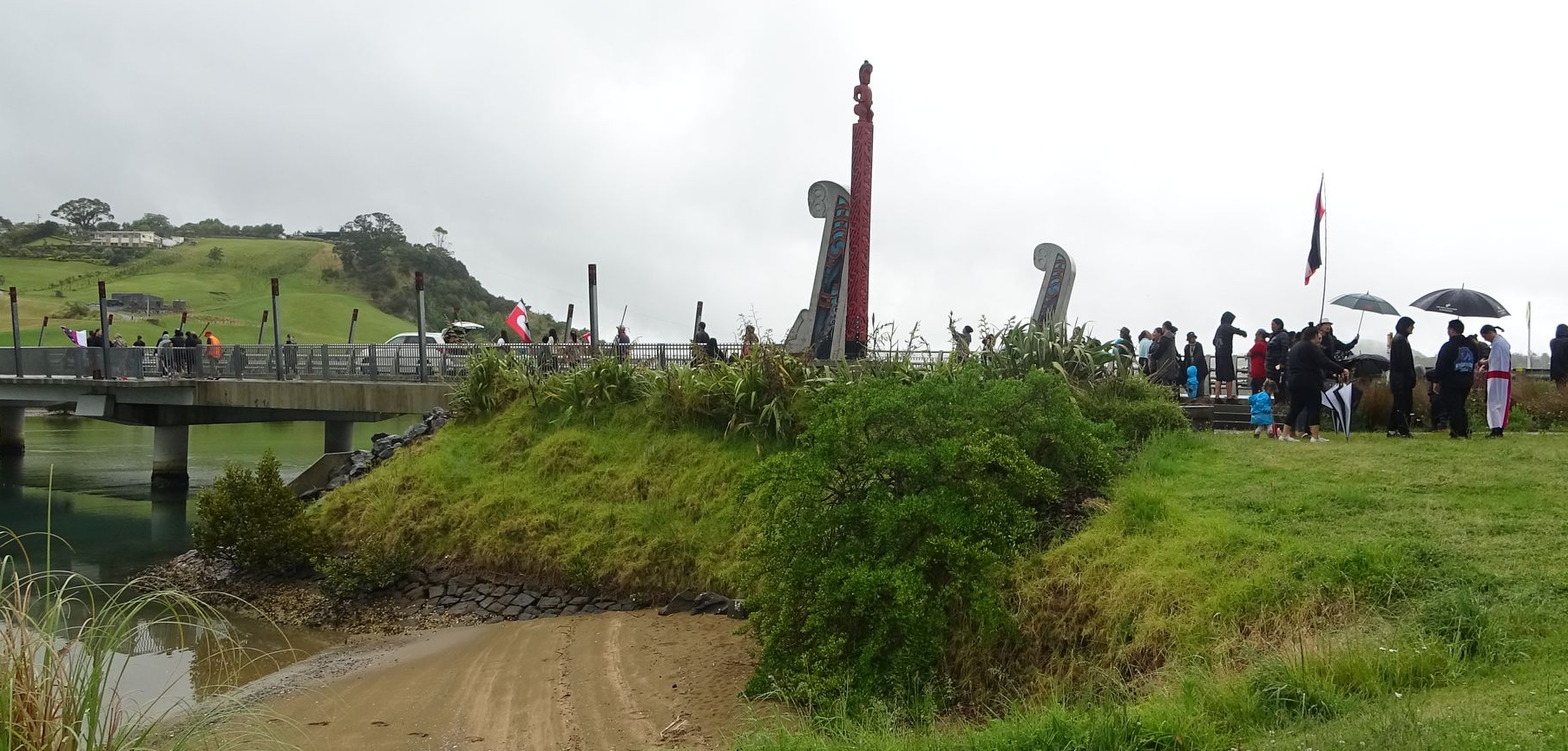
In 2019, these cultural foundations were honoured through the Taipā Bridge Opening Ceremony. Over several days, waka crews, hapū, iwi, dignitaries, schools and the wider community gathered to celebrate the completion of the new two‑lane bridge. The event featured powhiri, dawn blessings, the unveiling of a new Pou Whenua and commemorative plaques, and a roll call acknowledging Ngāti Kahu soldiers who served in WWI and WWII. Ngāti Kahu taonga tūturu were displayed, and the community came together through kapa haka, market day and shared kai.
The ceremony reflected a strong partnership between Ngāti Kahu and government agencies, ensuring the bridge opening honoured ancestral narratives, cultural identity and the enduring significance of Taipā within Muriwhenua.

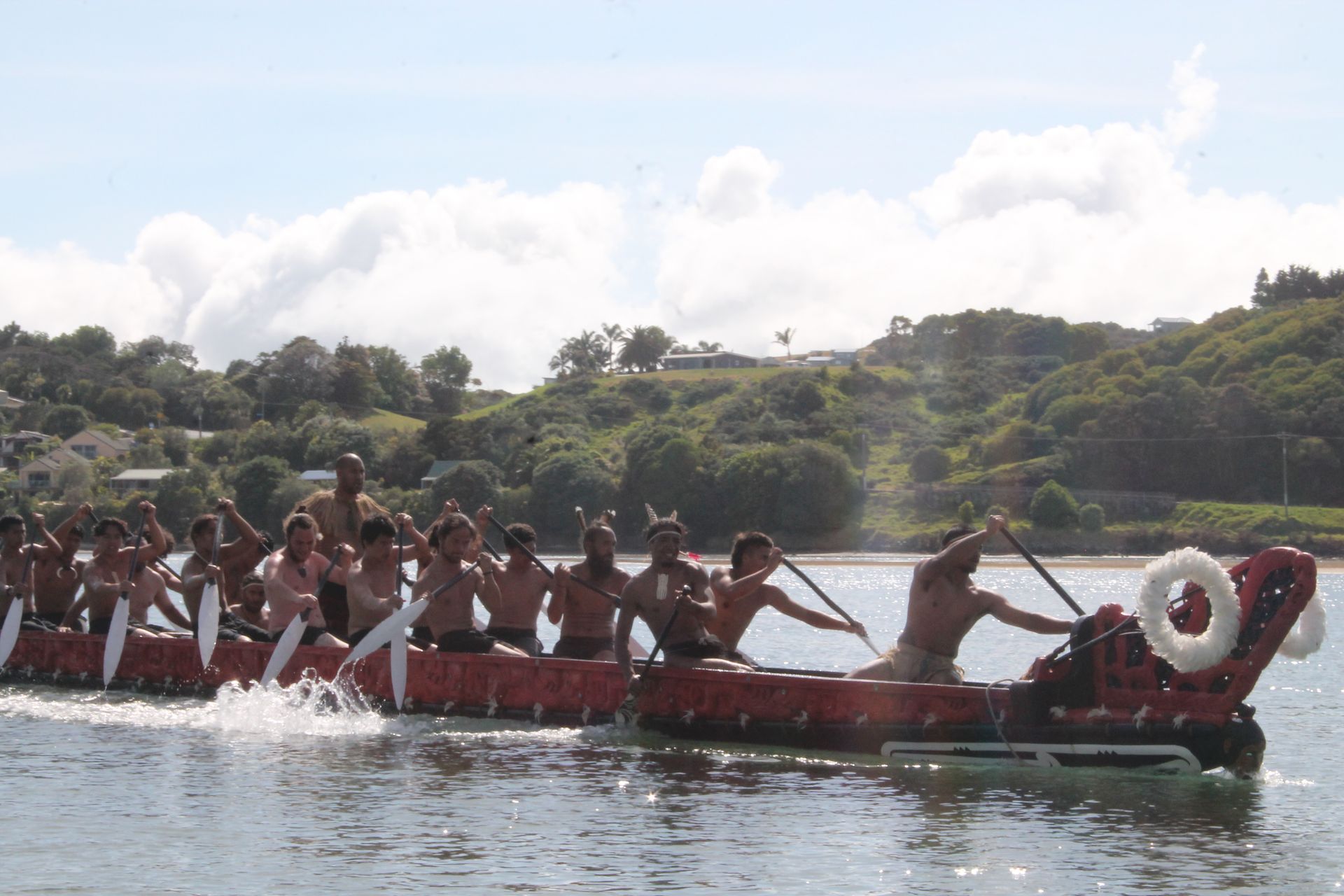

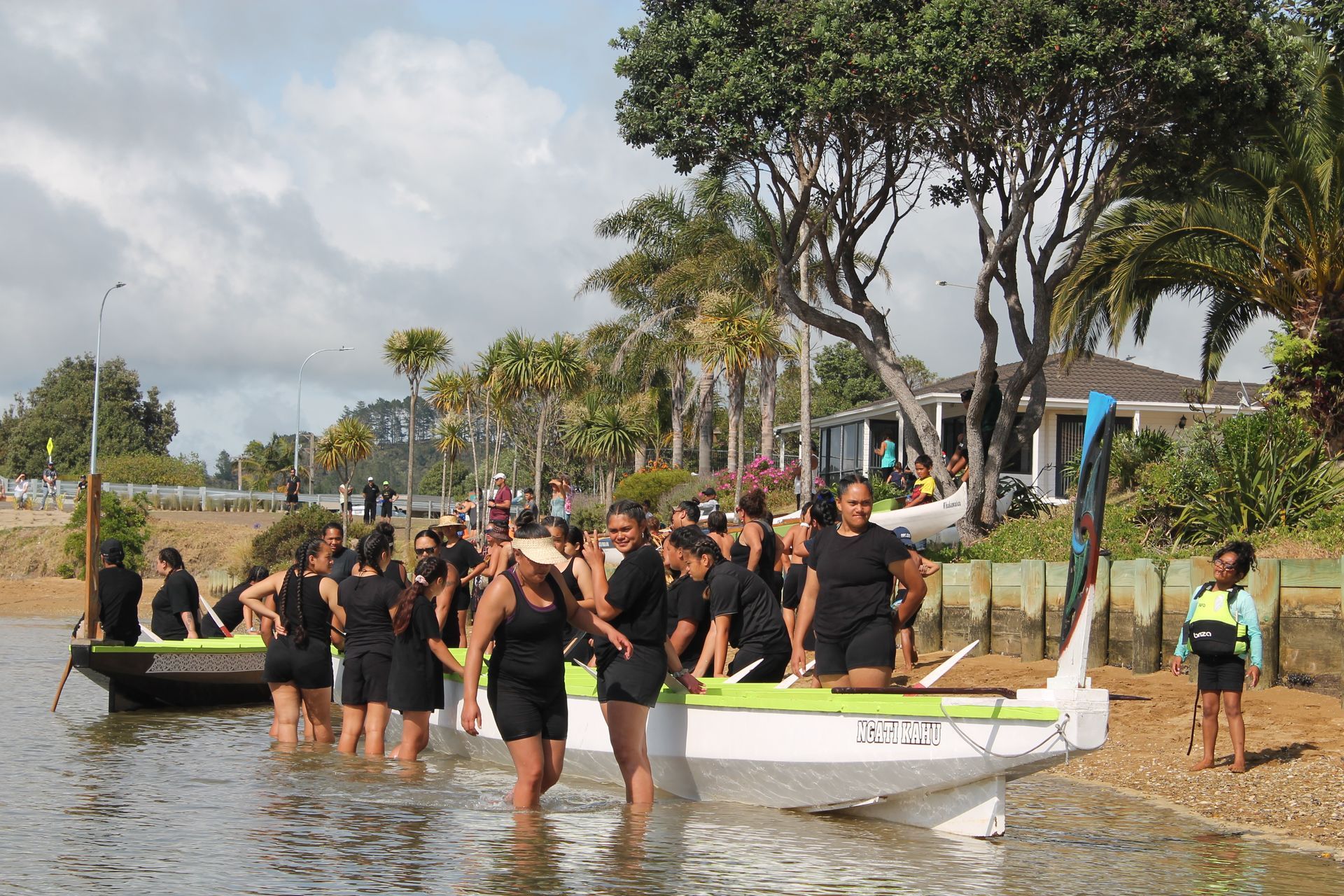
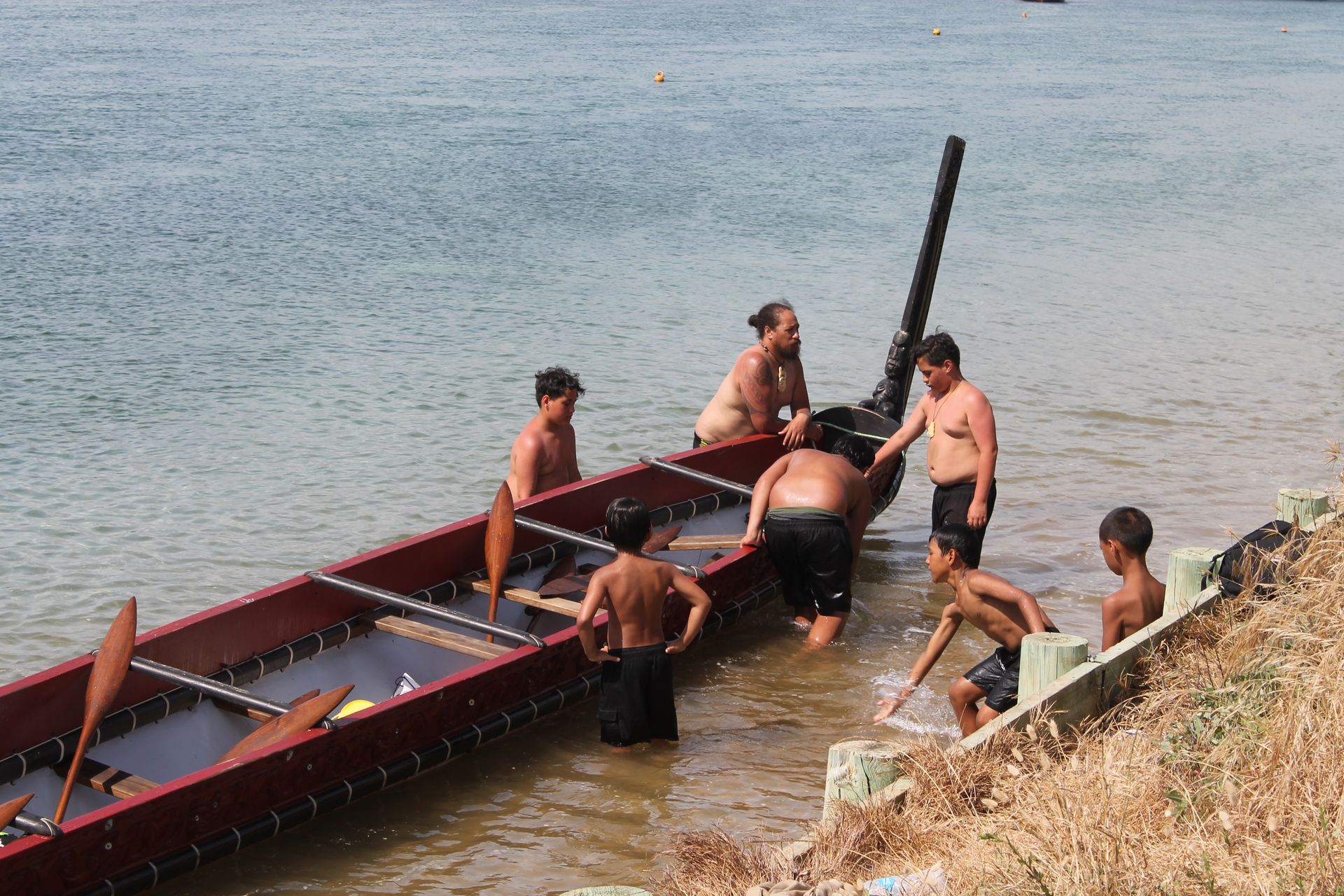
Taipā holds deep cultural, historical and environmental importance for Ngāti Kahu. As the landing place of Kupe and the home of Kahutianui and Te Parata, it is recognised as the cradle of Ngāti Kahu identity. The area contains numerous sites of significance, including pa, midden, estuarine ecosystems, customary food-gathering areas and the original Pou Whenua marking Kupe’s arrival. The 2017 Cultural Effects Assessment prepared for the Taipā Bridge redevelopment highlighted these values, outlining the need to protect waterways, biodiversity, archaeological features and cultural landscapes. It also emphasised Ngāti Kahu responsibilities of mana and kaitiakitanga, and the legislative requirements guiding the project—ensuring the bridge upgrade supported community wellbeing, environmental protection and the preservation of taonga for future generations.
He tangata
List of Services
-
Taipa Area SchoolList Item 1
Tamariki from Taipa Area School joining along to celebrate in the opening of Taipa Bridge.
-
Hekenukumai BusbyList Item 2
A man who's name carries a great legacy, Hekenukumai Busby, who was one of many whanau who recieved acknowledgment on the Pou/plaque located at the entrance of the Taipa Bridge.
-
Kapahaka RoopuList Item 3
A few familiar faces who welcomed all, on the day of the ceromony for the Taipa Bridge.
Related Projects