
Te Mana O Te Wai
Te Mana o Te Wai - Peria River Restoration Project
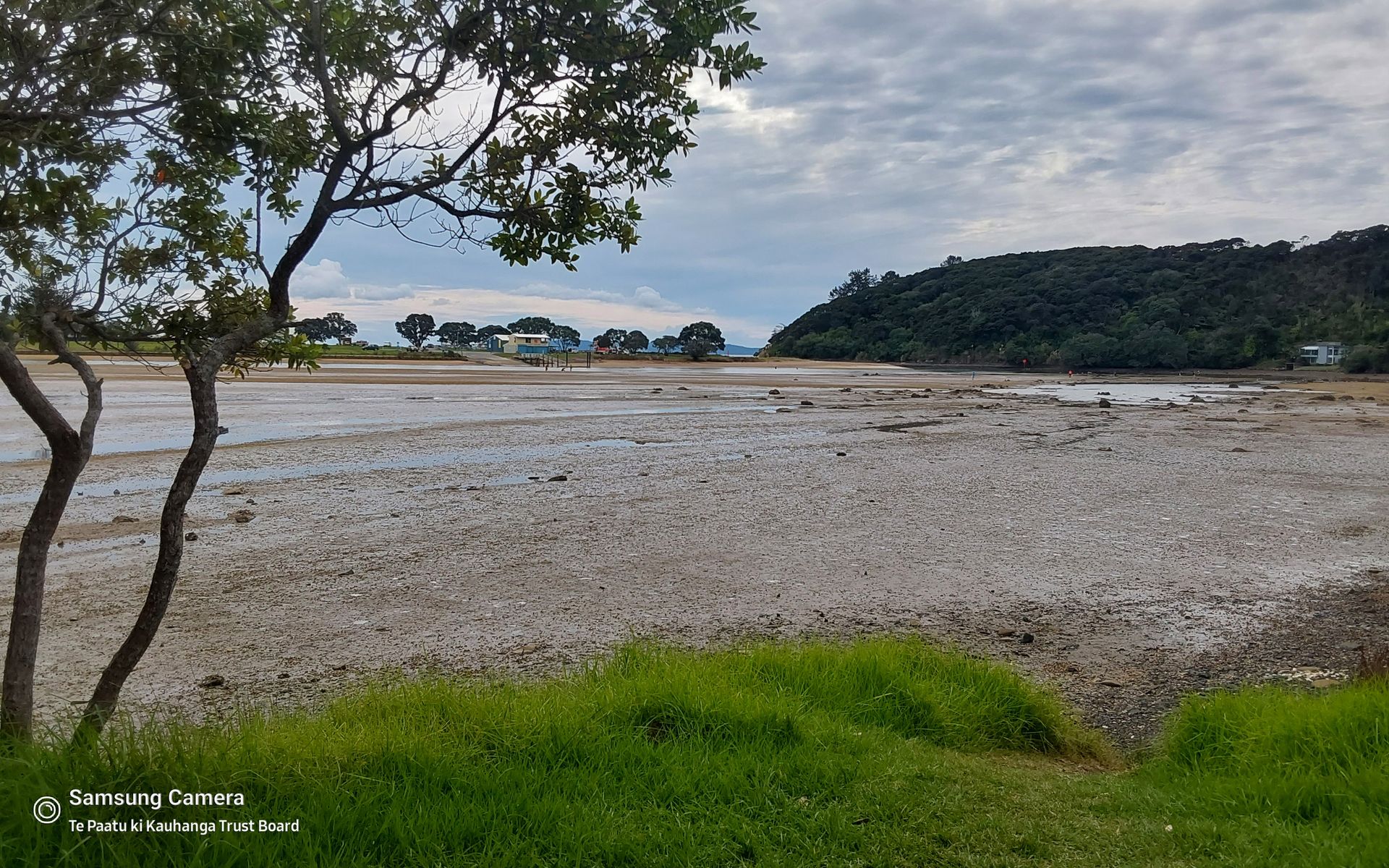
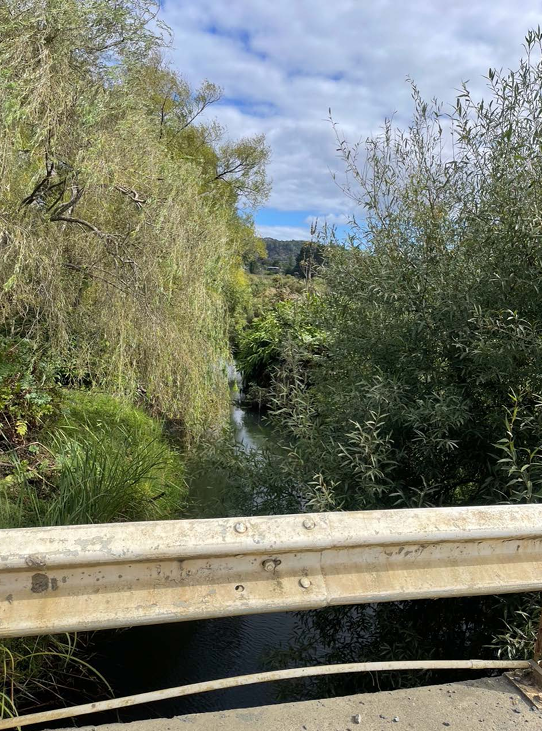
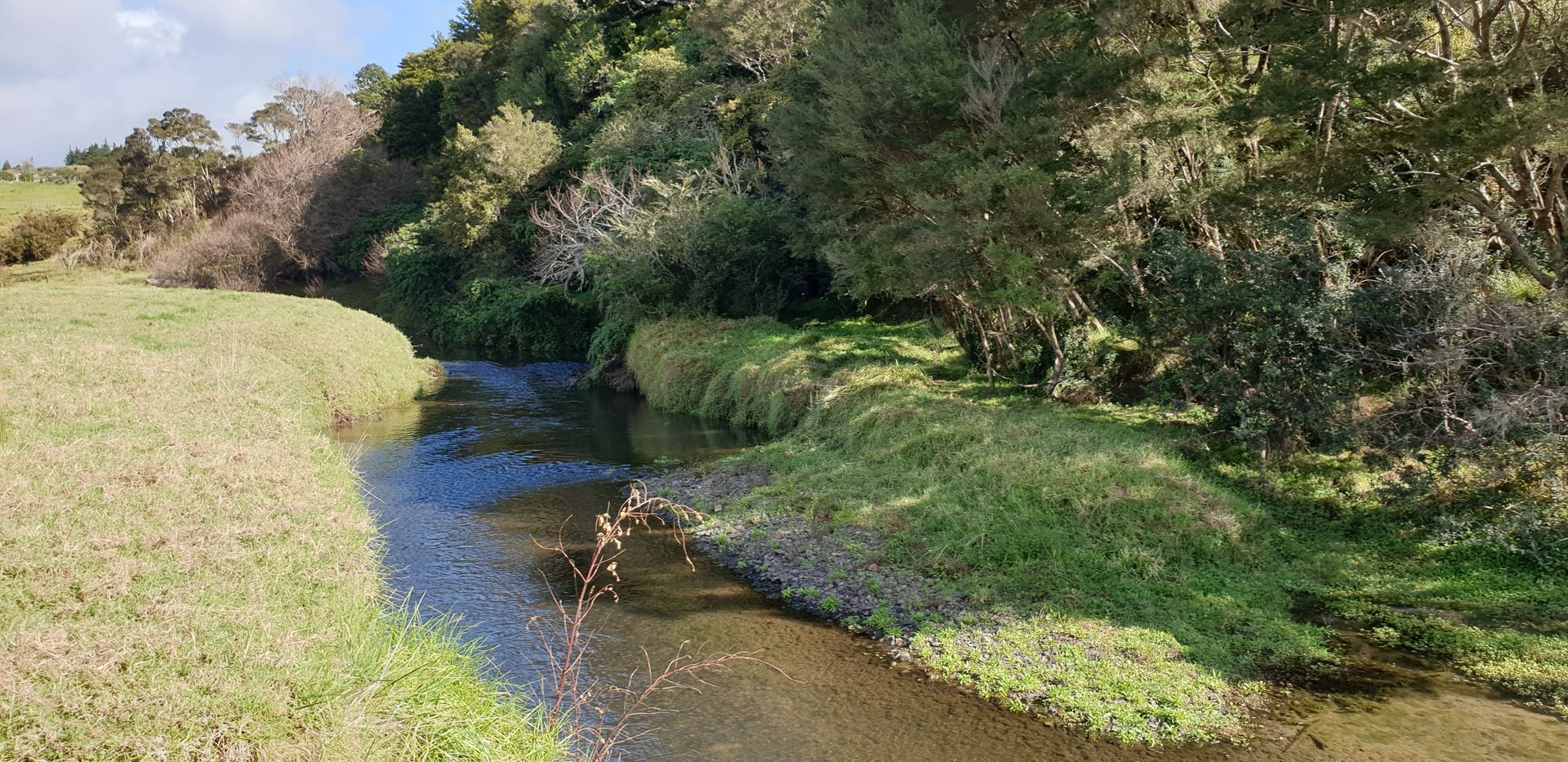
The Peria River, Waikainga, Te Awapuka Streams and numerous smaller streams all drain from the steep hill country of Maungataniwha, converge just downstream towards the Oruru River. The Oruru River originates from the Otangaroa Forest and flows northwards for another seven to eight kilometres before reaching the tide, joining with the Paranui River and becoming the Taipā River.
An important historical feature of the Oruru Valley is our hapū awa - the Oruru River. The Oruru River was once a waterway used by our ancestors to travel and transport trade produce up and down the Oruru Valley. In the early 1800's the Oruru River was used to transport kauri trees from the Oruru Valley. In those days there was significant scope for trading based on the the large population of the area and a vast source of produce available. People were coming and going on a regular basis.
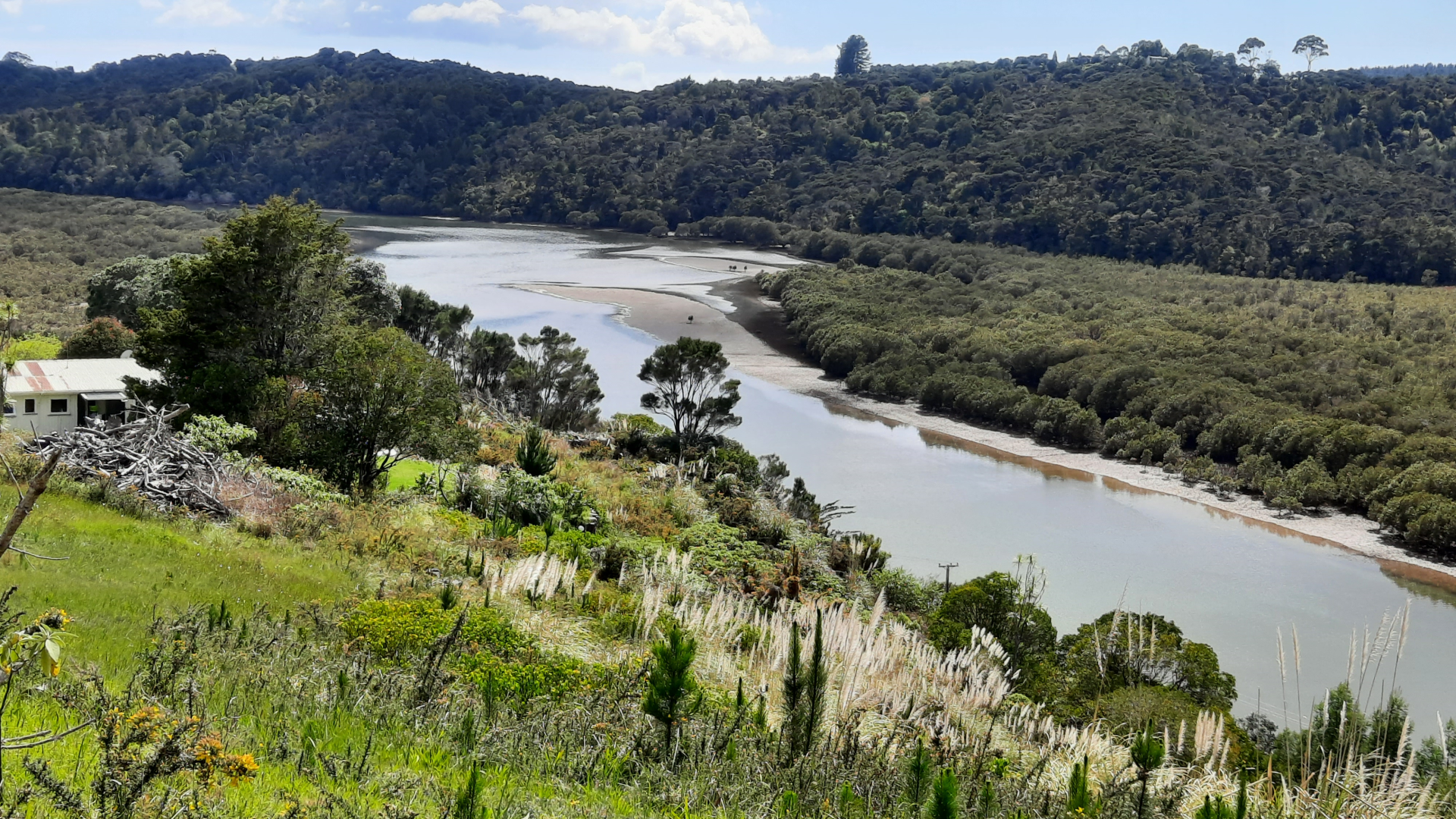
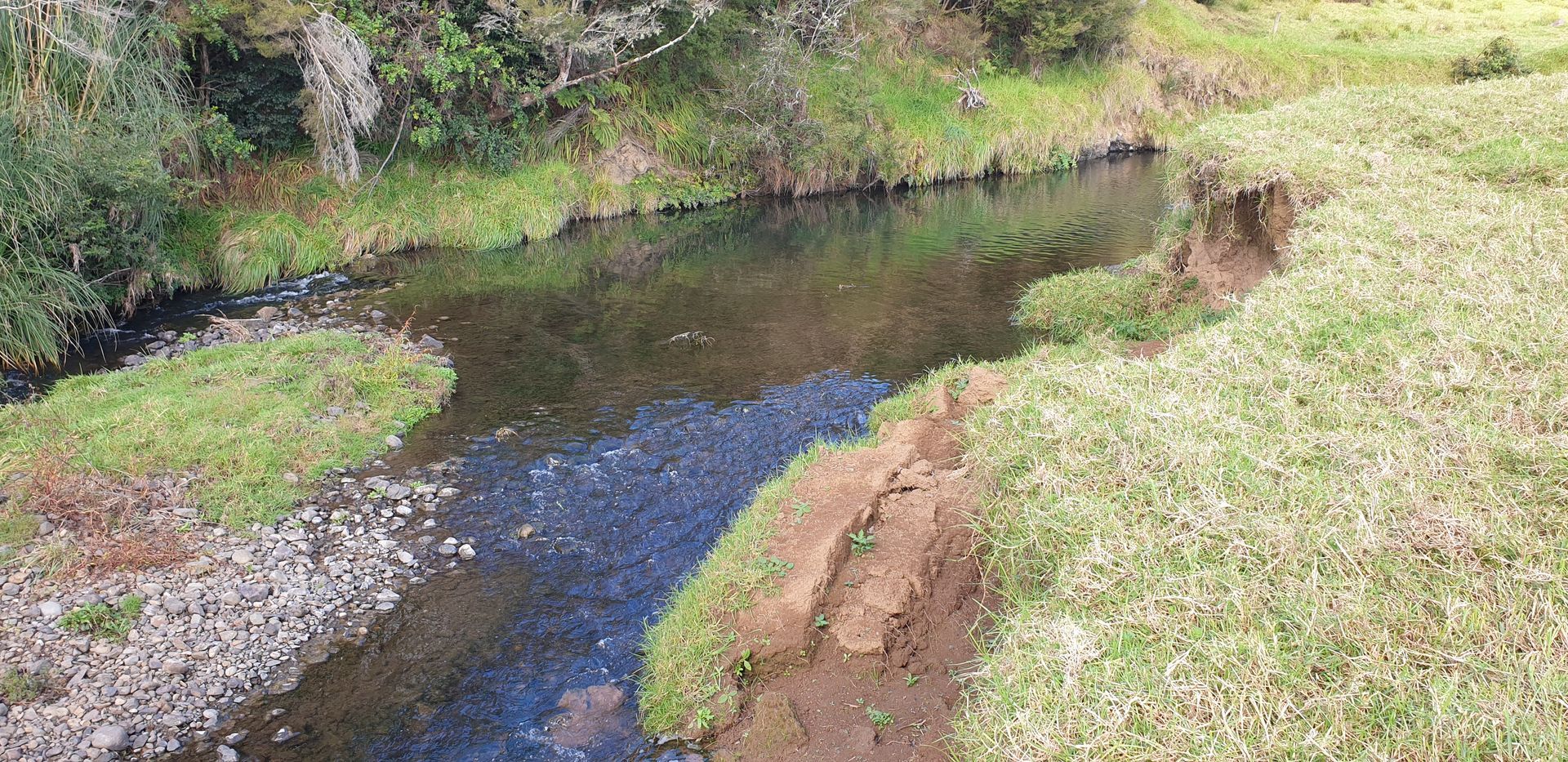
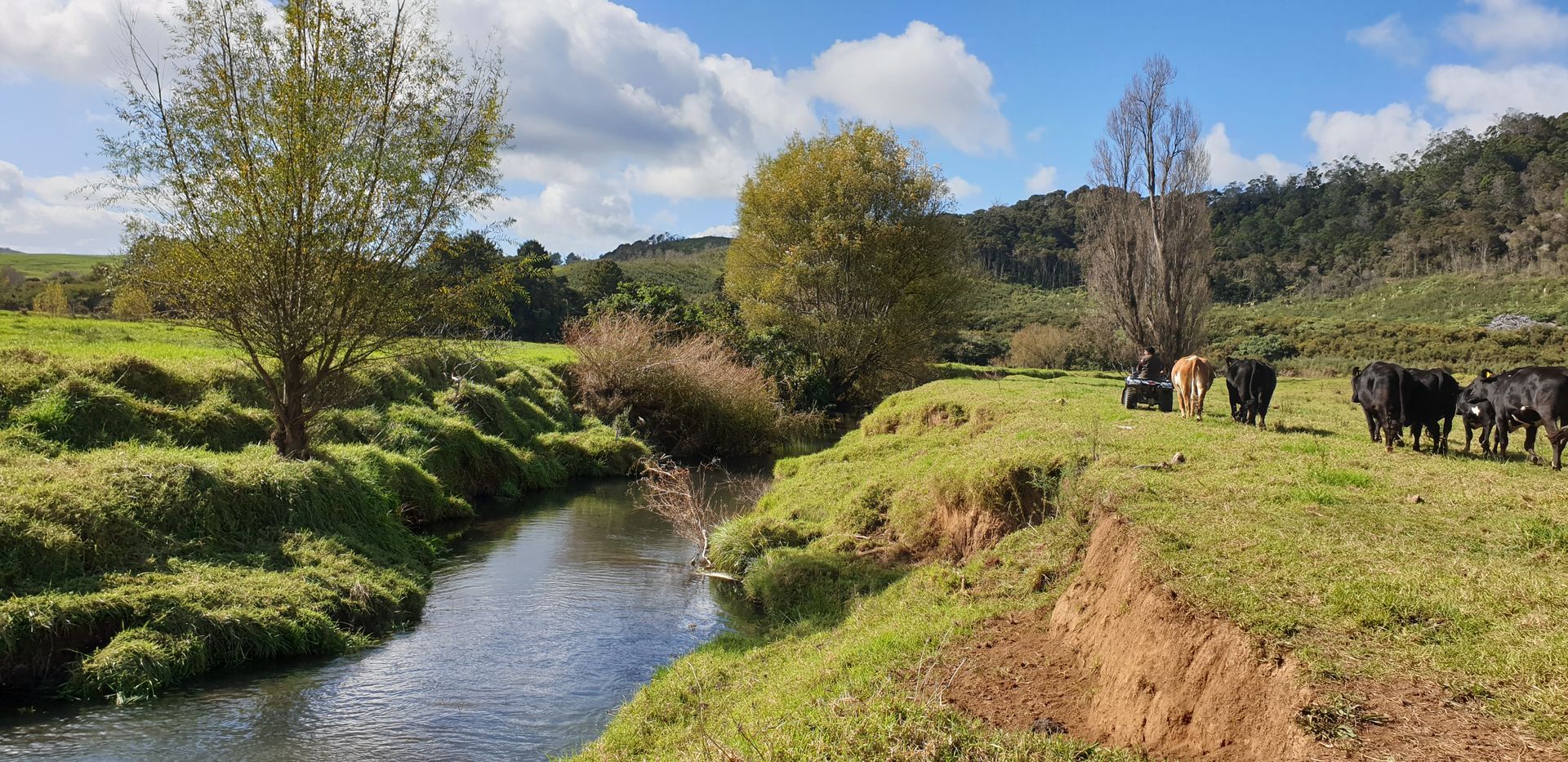
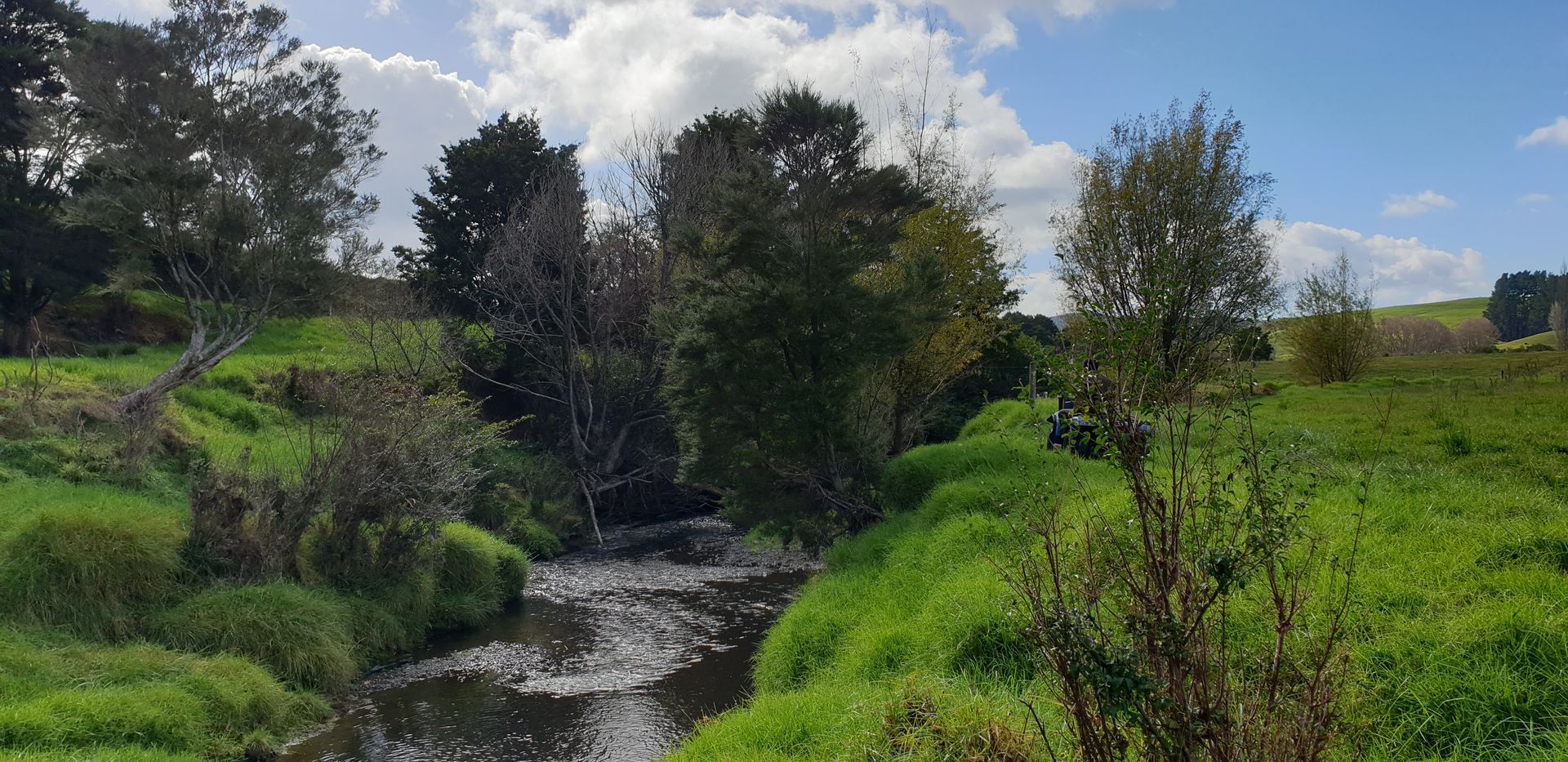
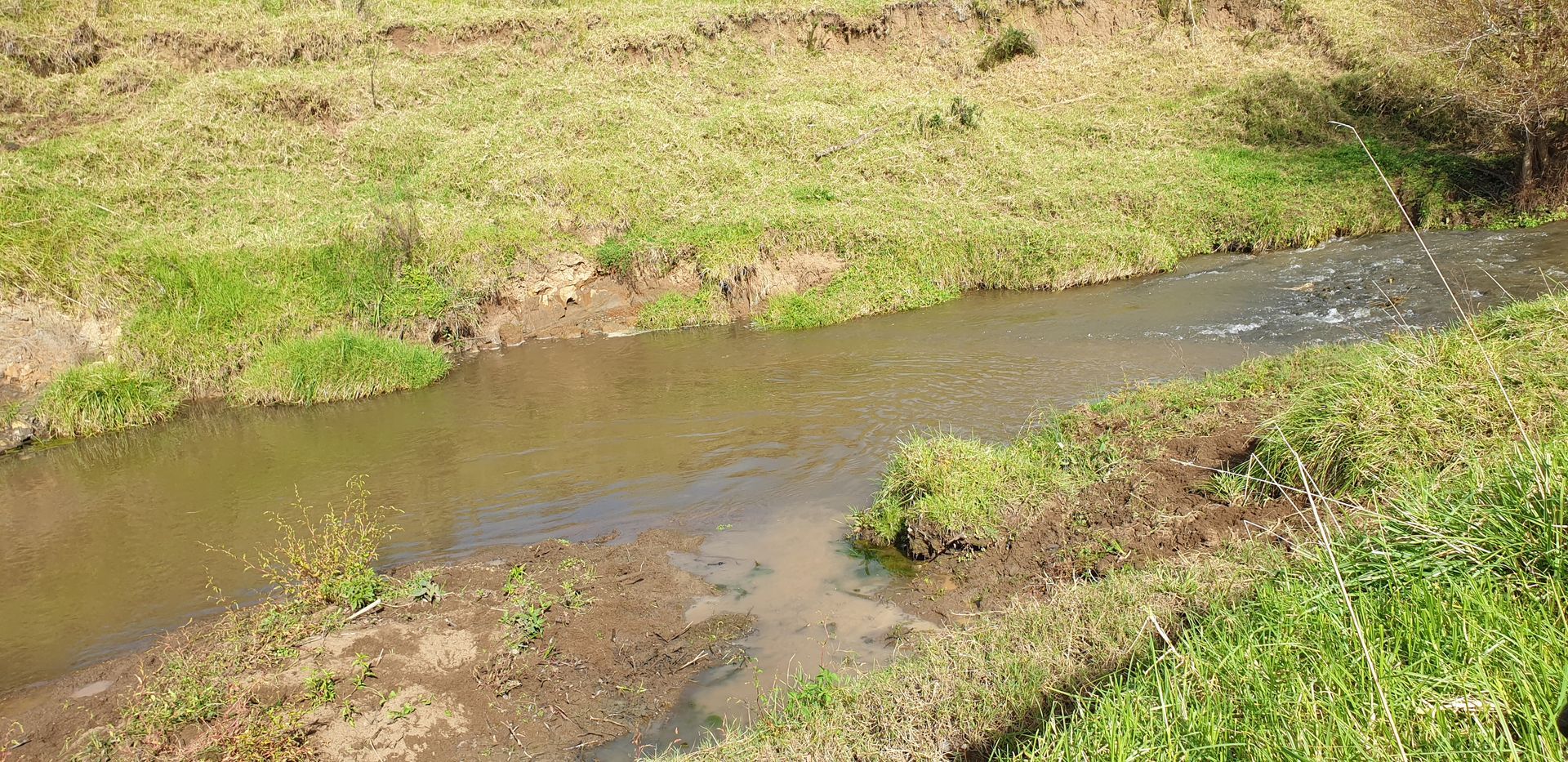
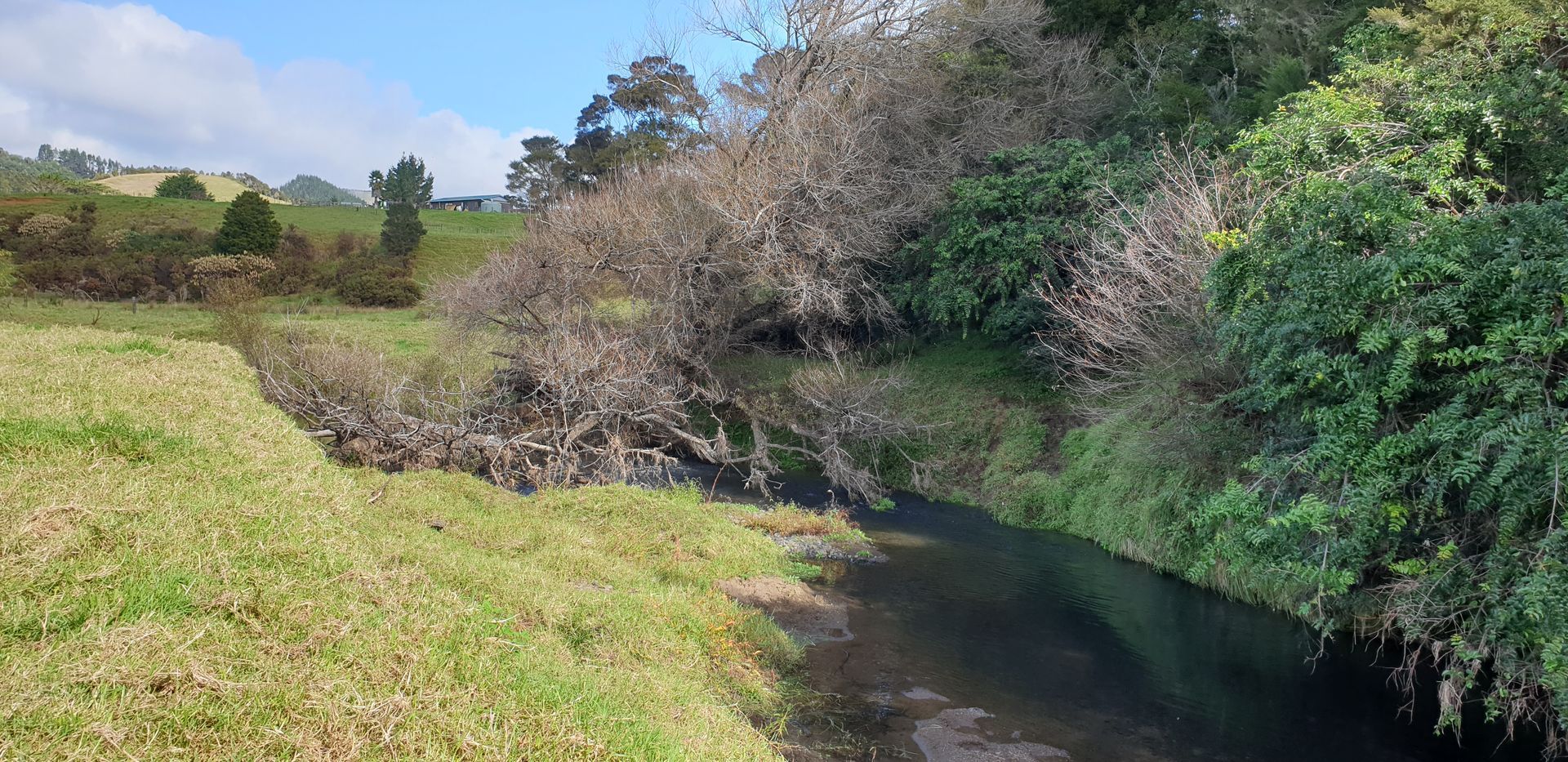
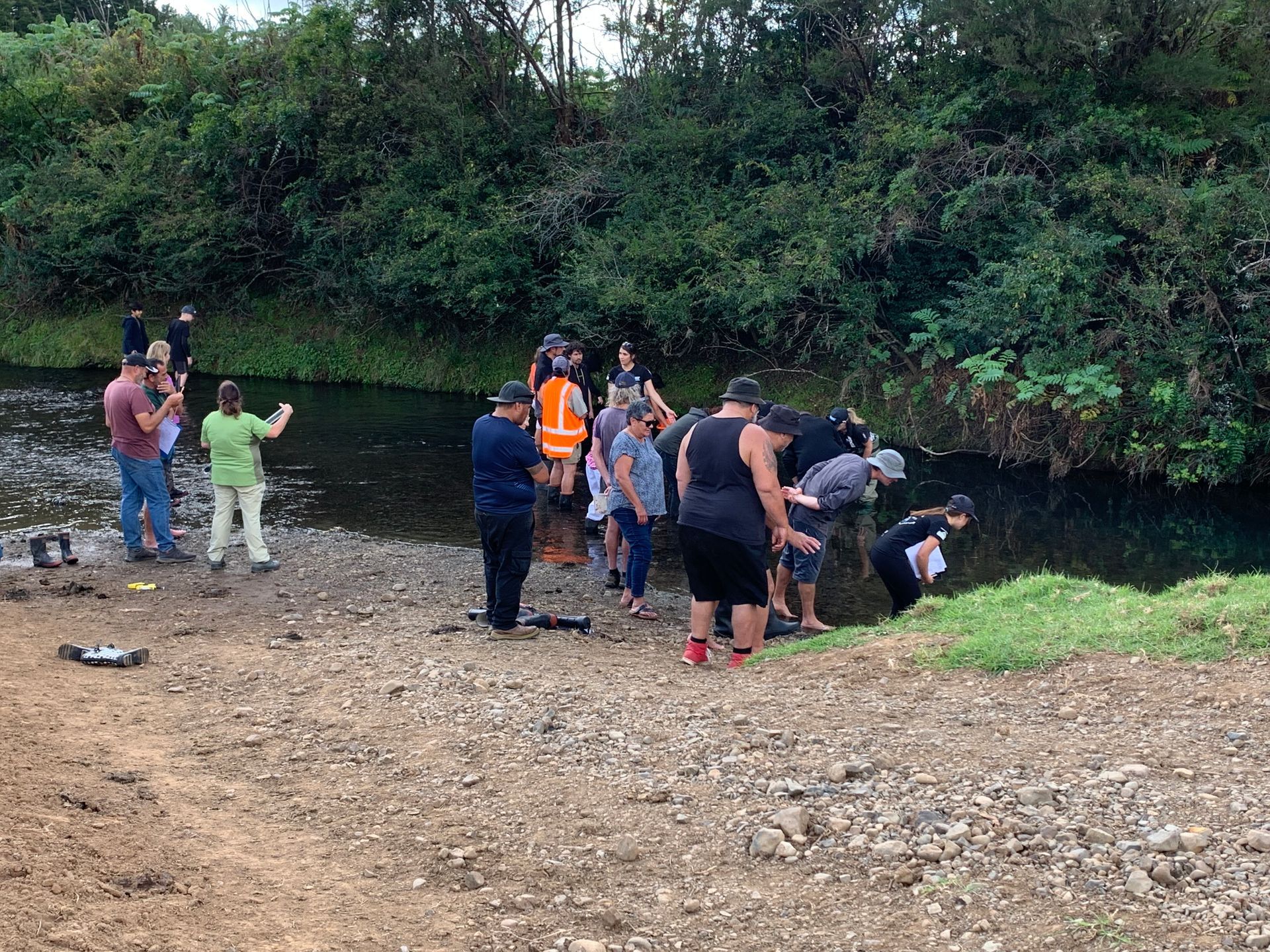
The Oruru River is also the main water source within the Oruru Valley and hapū and whānau of Te Paatu ki Kauhanga. The flow of the Oruru River begins from Maungataniwha and moves eastward to 'te wahapū o Taipā' and further to Tokerau moana. It is the mauri of our whenua, the life essence for our tribe, fish, tun, trees, gardens, birds, animals and insect.
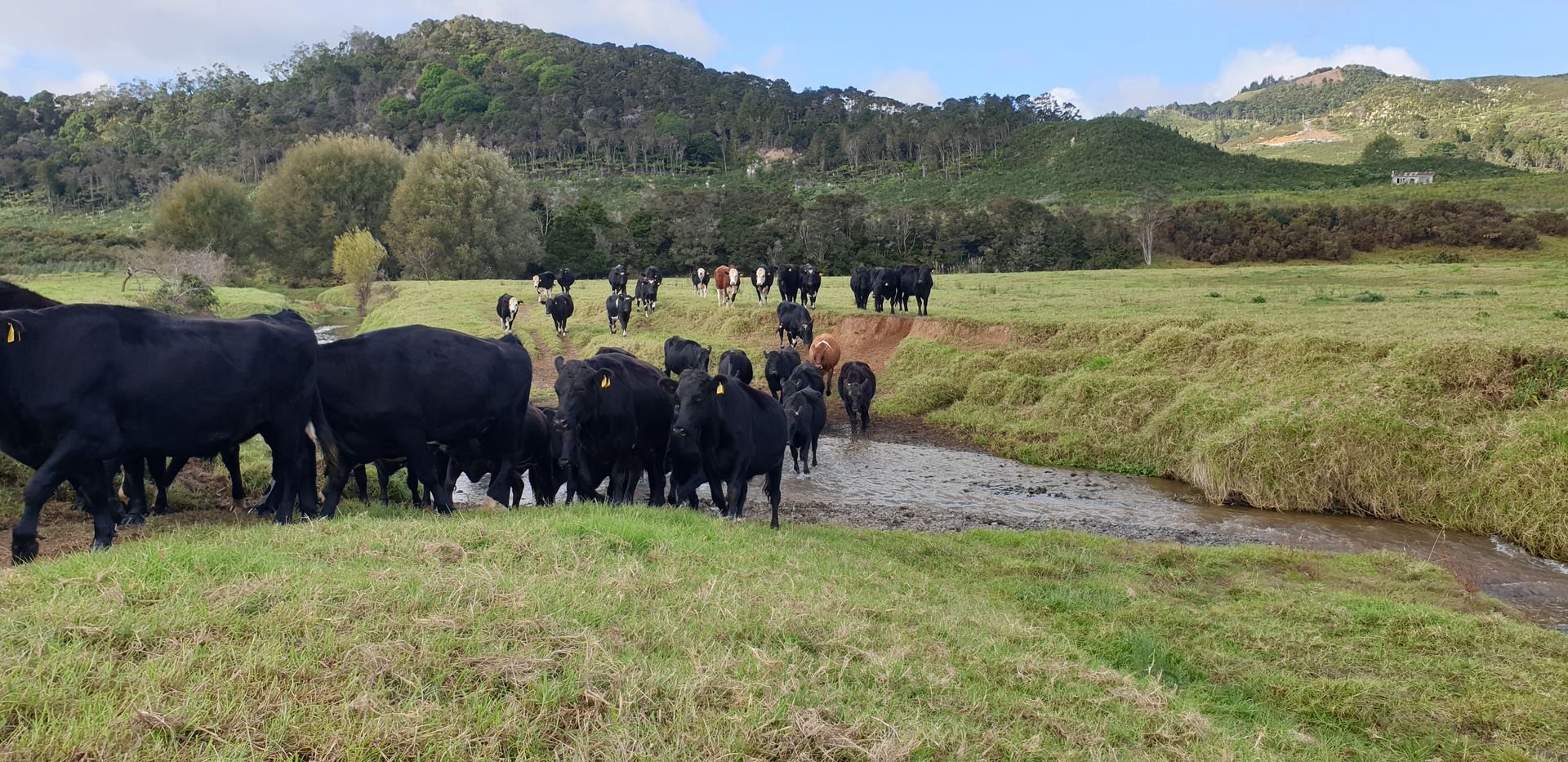
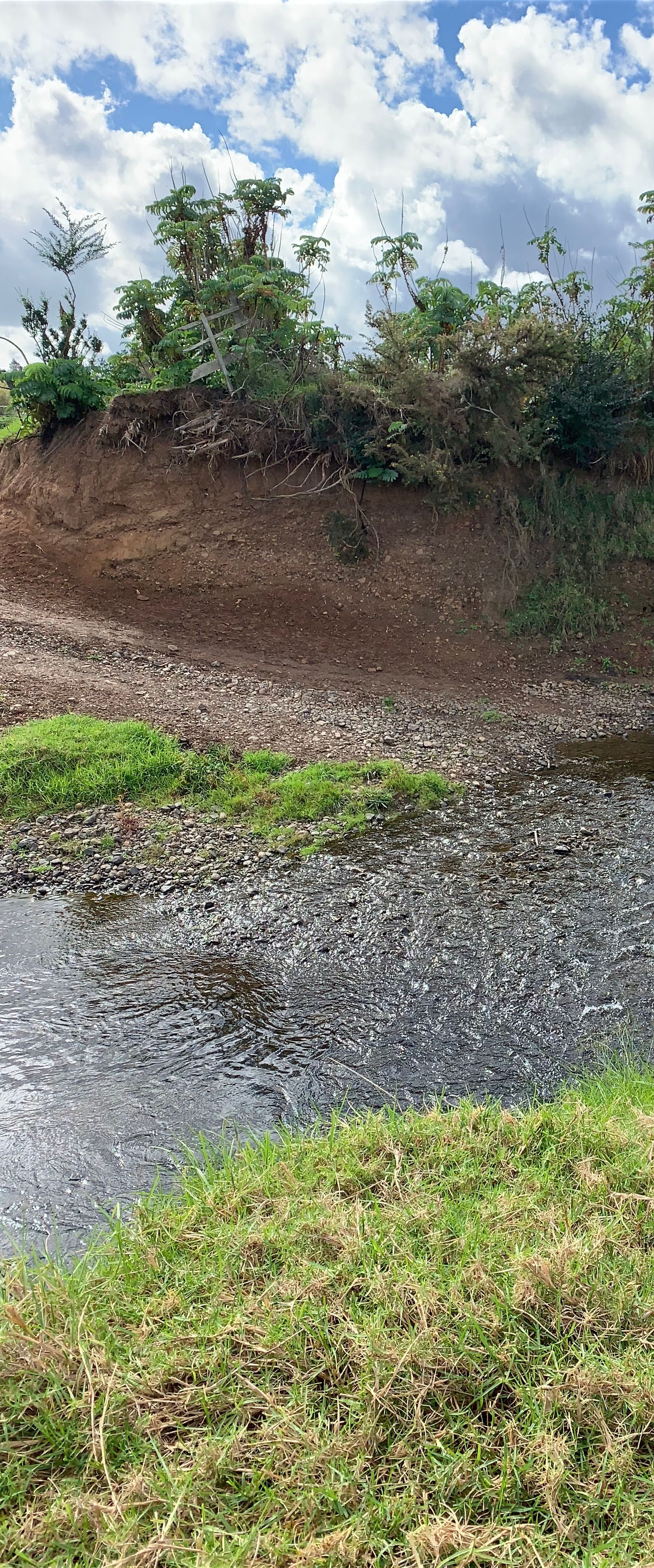
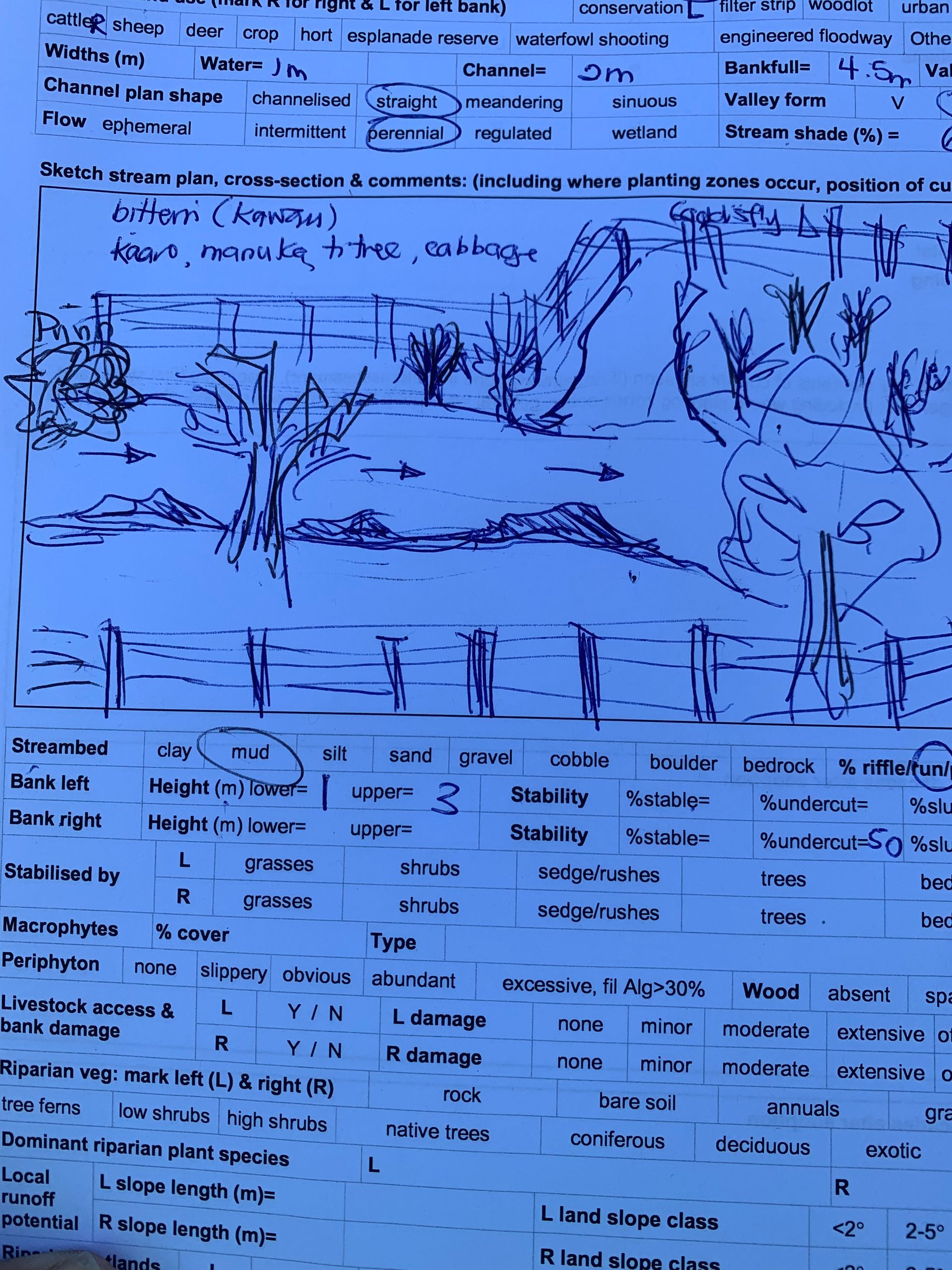
The Peria River Restoration Project and Monitoring Plan (2024) sets out Te Paatu ki Kauhanga’s comprehensive strategy to restore the ecological health, cultural values, and biodiversity of the Peria–Oruru River system, a major tributary flowing from Maunga Taniwha to Doubtless Bay. The plan identifies severe streambank erosion, sedimentation, livestock impacts, and E. coli contamination as key pressures degrading water quality and freshwater habitats. It outlines a detailed remediation programme including riparian planting, fencing, stock exclusion, fish passage restoration, pest plant control, and SHMAK‑based ecological monitoring aligned with maramataka. The project is grounded in hapū kaitiakitanga, supported by governance roles, community involvement, and data sharing with agencies and local groups.
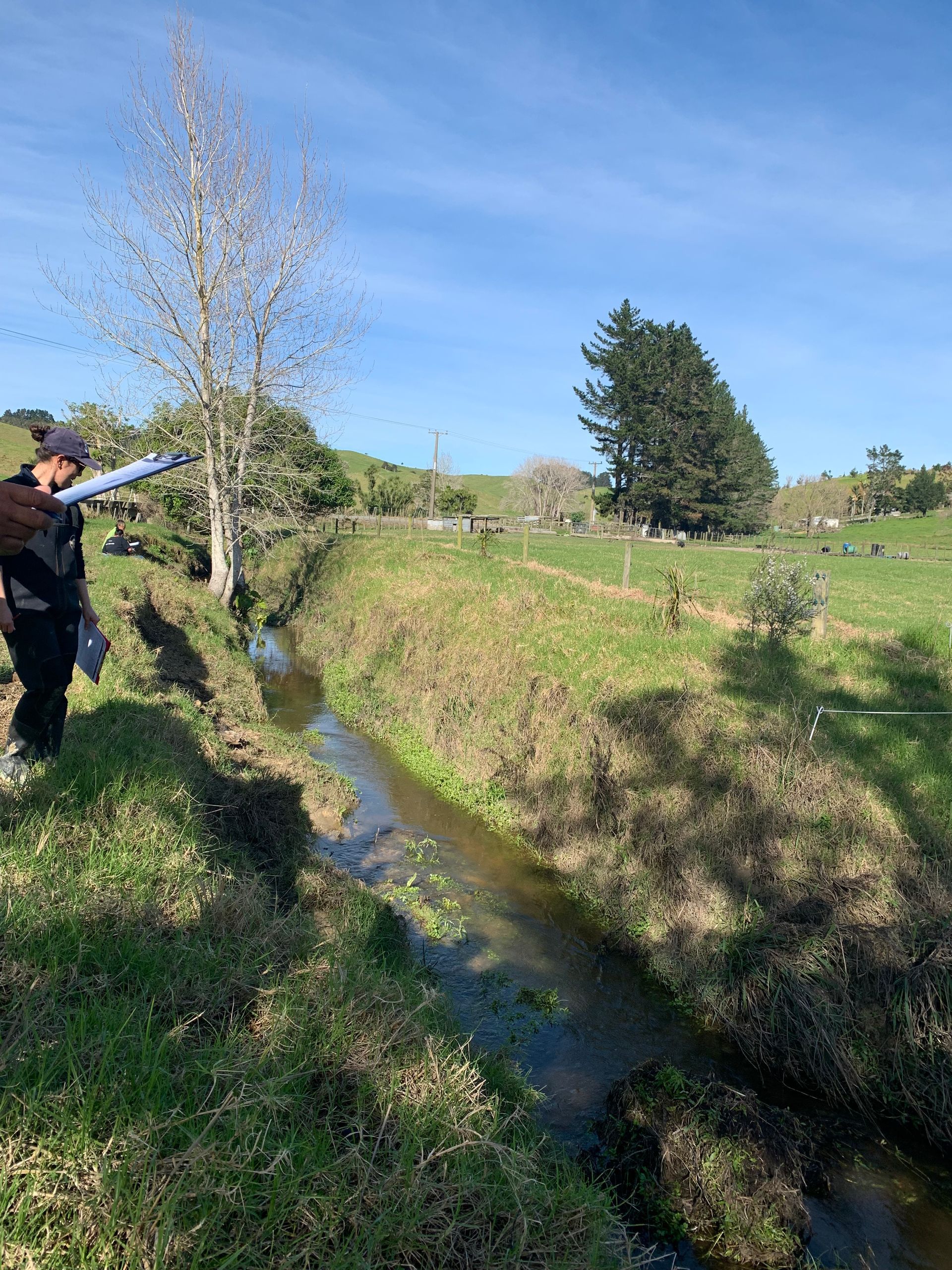
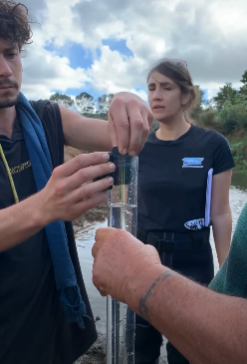

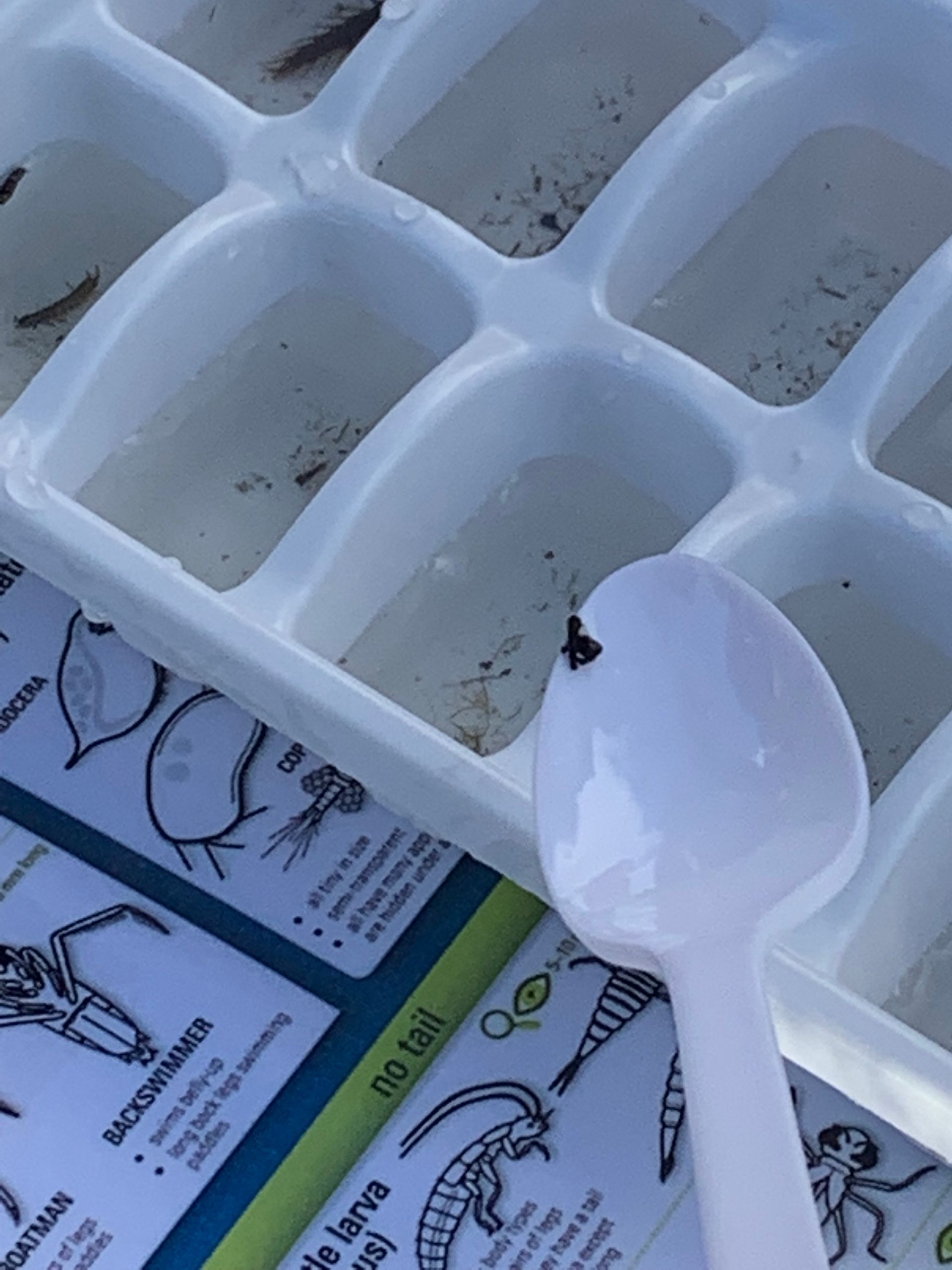
The accompanying Te Mana o Te Wai provides the cultural and policy foundation for this work, emphasising the primacy of water health, the protection of taonga species, and the exercise of hapū authority in freshwater management. Together, the two documents integrate mātauranga Māori with scientific assessment to guide long‑term restoration of the Peria–Oruru catchment. They articulate a unified vision: restoring the mauri of the river, strengthening biodiversity, and reconnecting whānau with their waterways through monitoring, wananga, and active kaitiaki roles.
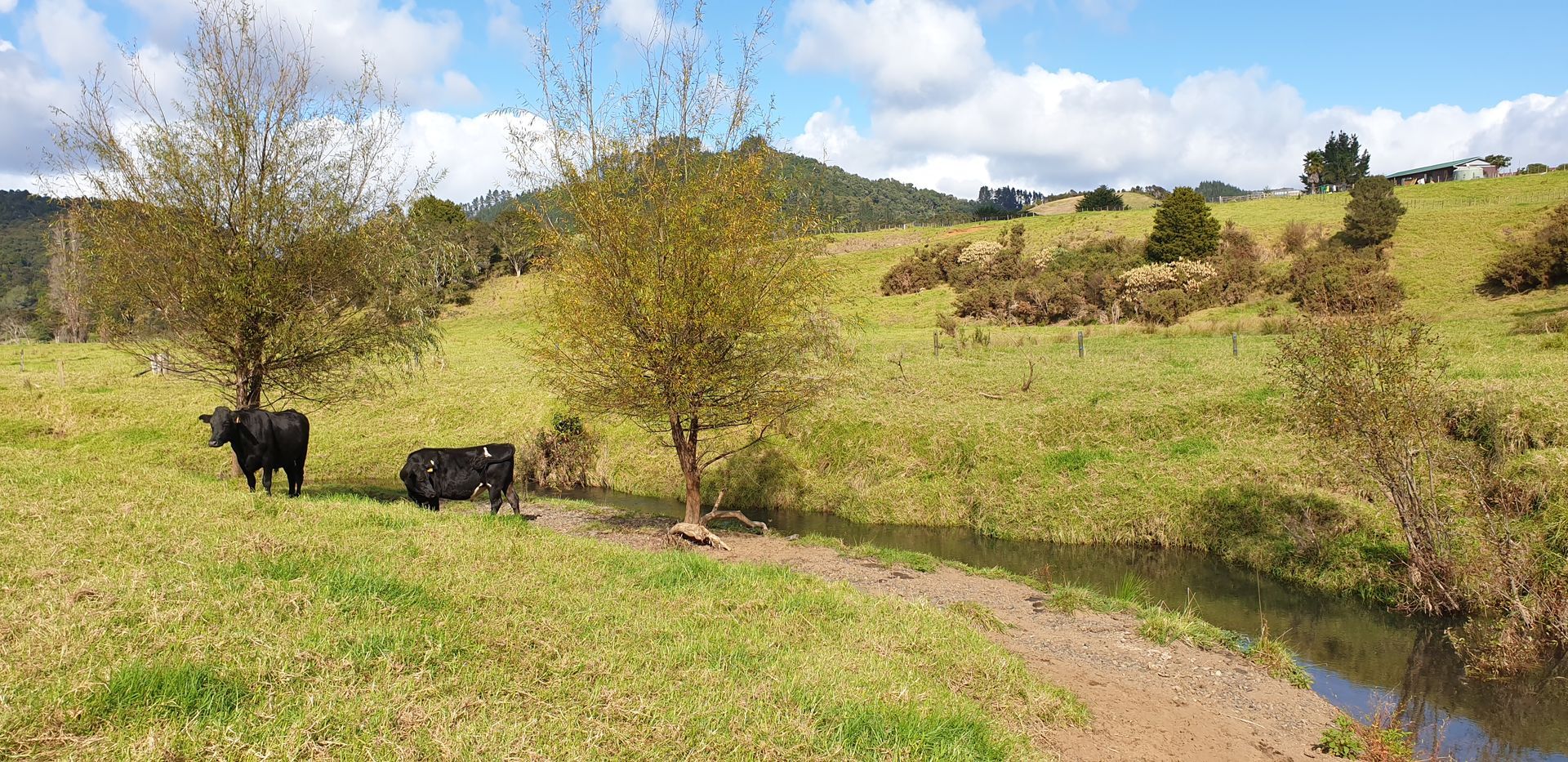
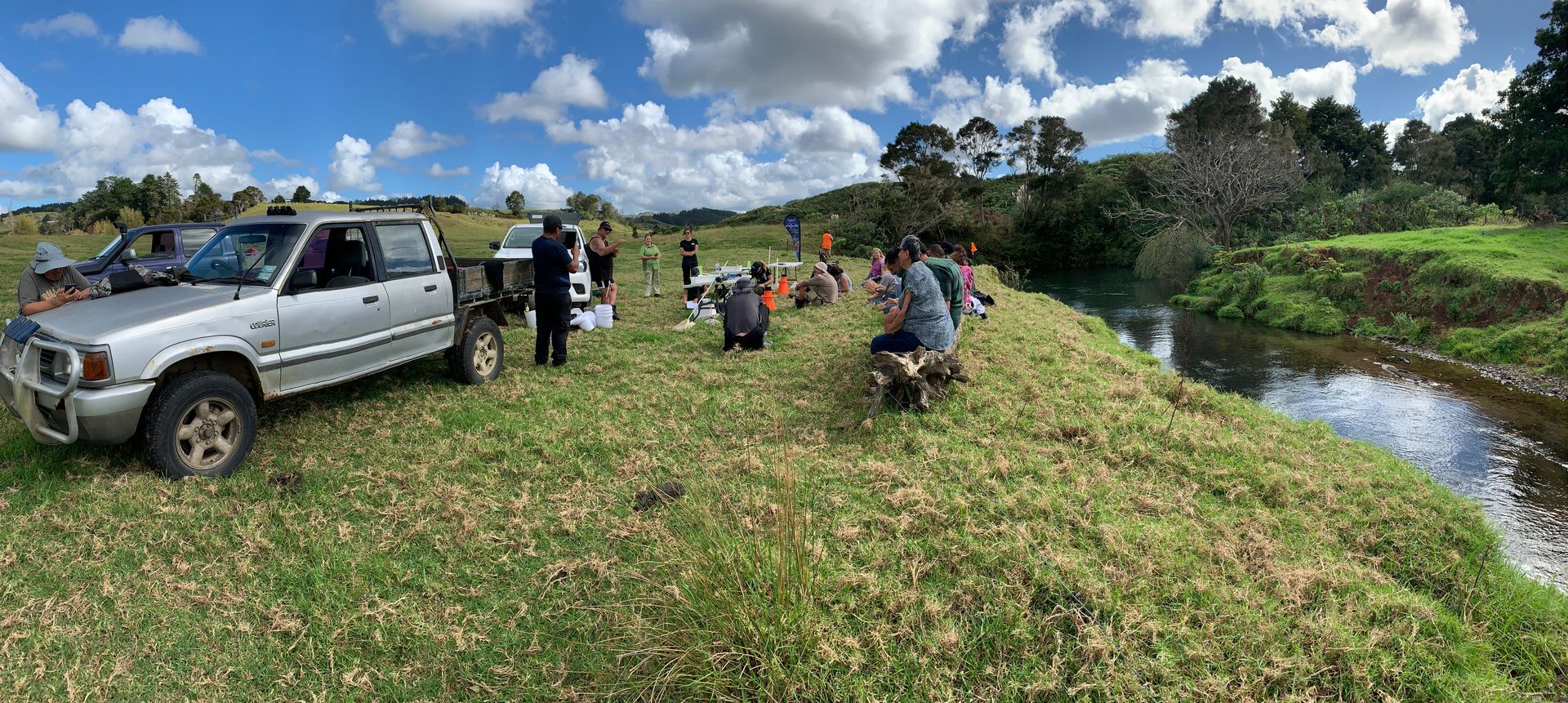
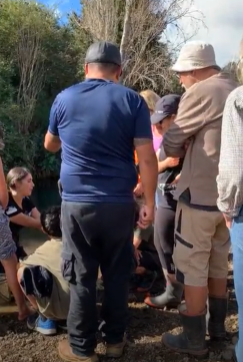
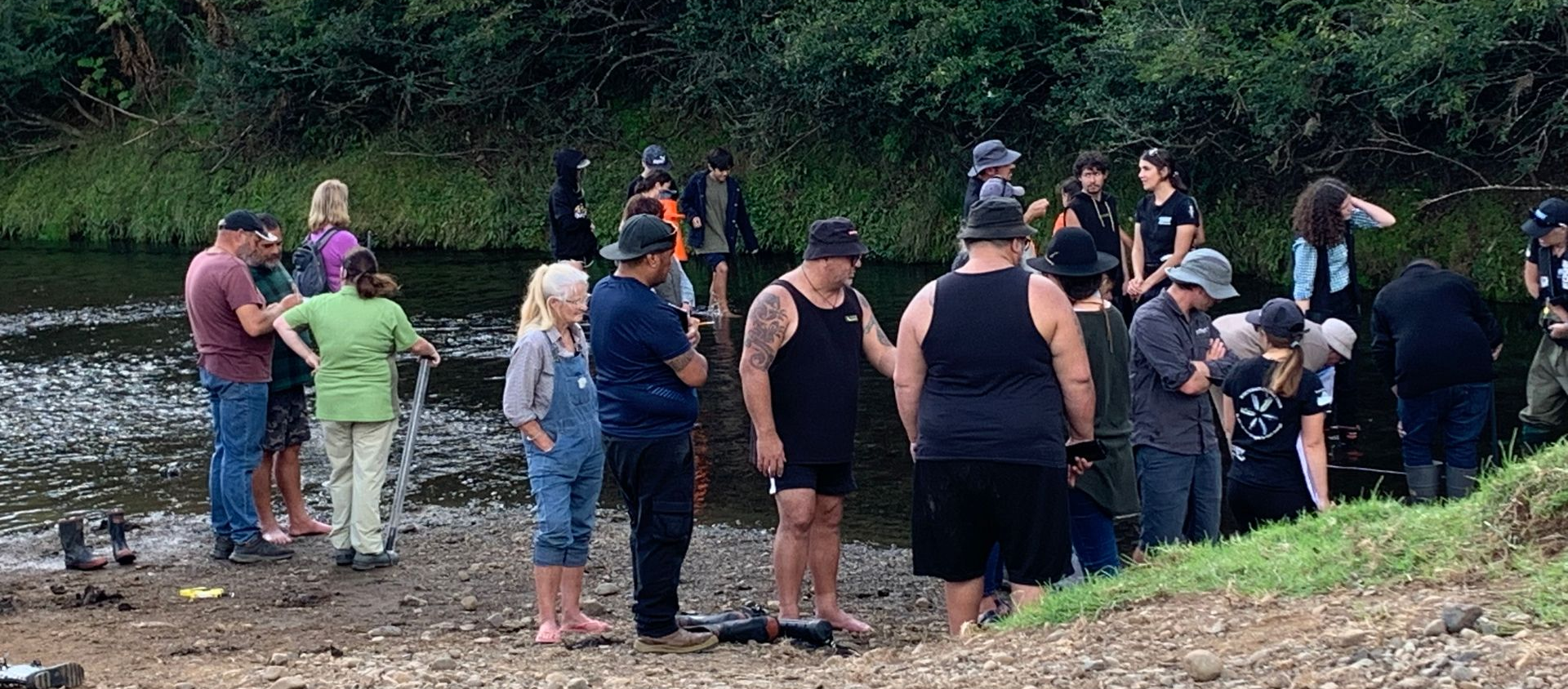
Whanau completing a Riparian Management Classification training workshop with NIWA & DoC
List of Services
Related Projects